




Best Medical Alert Systems of 2026

Medical alert systems provide fast, easy access to emergency help with the press of a button. We've tested medical alert systems to bring you our top picks of 2026. 
SafeWise Pick
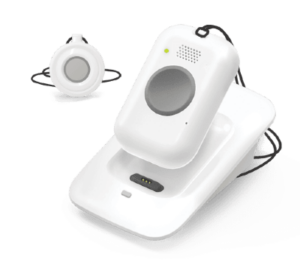
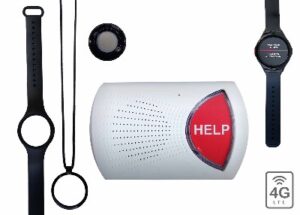
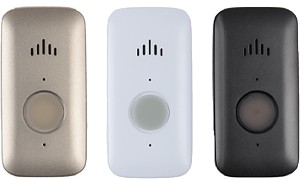
bay alarm medical device and push button
Bay Alarm Medical
4.8 out of 5 stars
4.75
  • pro
    30-day free trial
  • pro
    Fall detection $10/mo

*For a limited time. See full disclaimers for more details. Offers and availability may vary by location and are subject to change.

products considered
250+
research hours in 25+ in-home tests
10k+
years of combined experience
176+
homes and people protected
10M+

We've named Bay Alarm Medical the best-of-the-best, but we encourage you to read through the entire list to find your perfect match. 

Medical Alert devices are particularly important for people who live alone and are older than 65—the milestone age when the risk of heart attack, stroke, dementia, and falls starts to increase significantly.

All medical alert devices include a wearable help button, and some also include GPS tracking and automatic fall detection for extra protection. These devices—also called personalized emergency response systems (PERS)—share a lot of features from brand to brand.

To help you choose the right medical alert, we reviewed the differences between each and conducted hands-on testing. Only the most reliable and user-friendly brands made it onto our best medical alert systems list.
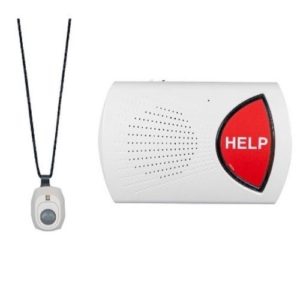
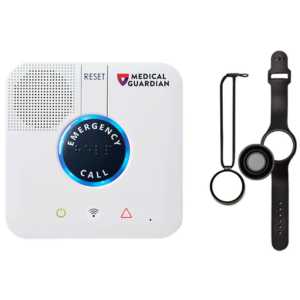
Bay Alarm vs Medical Guardian: Which one should you pick?
Play Video

Compare the best medical alert systems

Brand
Reason to choose
Lowest monthly price
In-home range
Backup battery
Learn more
Best GPS tracking1300 ft.32 hrs.
Best for fall detection800 ft.30 hrs.
Best at-home system1,300 ft.32 hrs.

Data as of post date. Offers and availability subject to change. All of these systems have landline plans available, in addition to cellular options.
*$19.95 Medical Alert starting price for landline in-home system with annual plan paid up front; month-to-month plans start at $27.95/mo. LifeFone $29.95 price if paid monthly; $24.95 if paid annually.


1. Bay Alarm Medical: SafeWise pick for best overall

Best Overall
bay alarm medical device and push button
Bay Alarm Medical
4.8 out of 5 stars
4.75
Starting from$24.95/mo

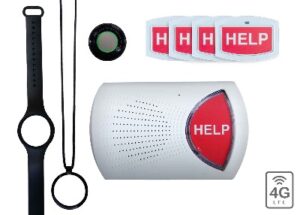
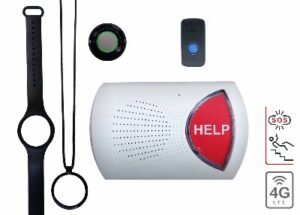
Bay Alarm Medical is ideal for people who like to customize products and services. Because most of its devices are add-ons, you can choose to go with a mobile-only plan, stick with at-home monitoring, or mix and match the best of both worlds to meet your needs.

But all of the choices can get confusing—don’t be afraid to ask questions to make sure you end up with the medical alert plan that makes the most sense for you or your family member.

pro
What we like
pro Landline or cellular monitoring
pro Mobile and in-home packages
pro Free spouse coverage
pro 1,000-foot range
pro 30-day risk-free trial
pro Affordable pricing
pro Fall detection that really works
con
Room for improvement
con No voice control
con Extra fee required for mobile app
con Package offerings that can get confusing
Device options
Lowest monthly cost
Equipment cost
Caregiver mobile app
Free lease
Icon No  LightNo
Free lease
Icon No  LightNo
Free lease
Icon No  LightNo
$99
Icon Yes  LightYes
Device options
Lowest monthly cost
Equipment cost
Caregiver mobile app
$159
Icon No  LightNo
$99 (GPS help button)

Free lease (in-home system)

Icon Yes  LightYes
$159 (SOS smartwatch)

Free lease (in-home system)

Icon No  LightNo

Data as of post date. Offers and availability subject to change.


2. Medical Guardian: Best on the go

Best on the go
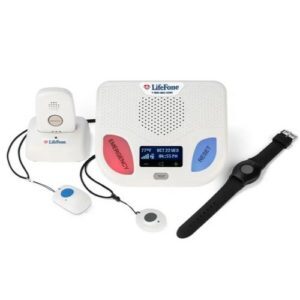
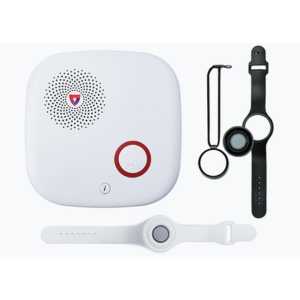
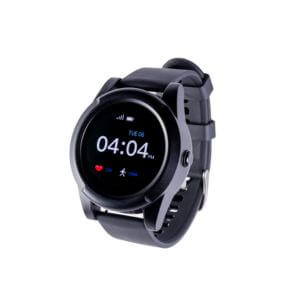
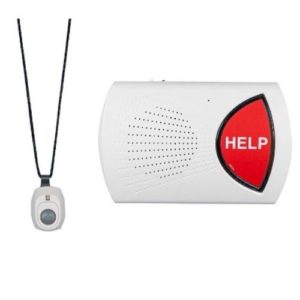
Medical Guardian MG Home Cellular base unit and wearable pendants
Medical Guardian
4.8 out of 5 stars
4.75
Starting from$29.95/mo

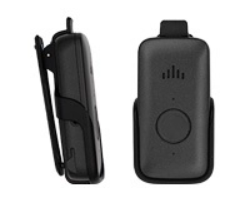
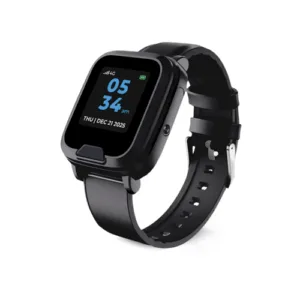
Medical Guardian makes our favorite mobile medical alert systems. We like the MGMini because it uses GPS tracking technology, cellular data, and Wi-Fi to pinpoint your location in an emergency—making it a perfect on-the-go option.

It's also compatible with the MyGuardian mobile app, boasts a 5-day battery, and can be upgraded to include automatic fall detection for an extra monthly fee.

pro
What we like
pro 3 location tracking technologies
pro 5-day battery life
pro Free caregiver portal
pro Optional fall detection ($10/mo.)
con
Room for improvement
con Equipment fee
con Short warranty (1 year)
Device options
Price
Compatibility
MGClassic, MGHome Cellular, MGMini
MGClassic, MGHome Cellular, MGMini, MGMini Lite, MGMove
Device options
Price
Compatibility
MGClassic, MGHome Cellular, MGMini
MGHome Cellular, MGClassic, MGMini
MGClassic, MGHome Cellular, MGMove, MGMini, MGMini Lite

3. Medical Alert: Best for fall detection

Best fall detection
Visit the Medical Alert website for current prices and features
Medical Alert
4 out of 5 stars
4
Starting from*$27.95/mo

*$27.95 Medical Alert starting price for landline in-home system with month-to-month plan. Annual plans paid up front start at $19.95/mo.

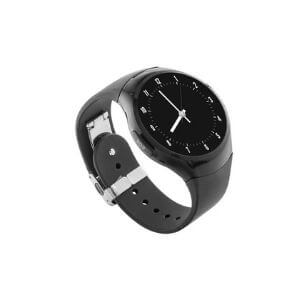
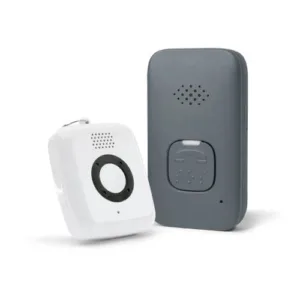
Medical Alert's Mobile System uses more fall detection sensors than most other systems: an accelerometer, gyroscope, and barometric pressure sensor. We found Medical Alert’s representatives to be the most knowledgeable, which goes a long way whether you're shopping around or calling for help.

You can find a better deal for a mobile system (and fall alerts is an extra $10 per month), but we can't ignore the superior fall detection sensors in the pricier Mobile System. 

pro
What we like
pro 3 fall-detection technologies
pro Free equipment lease
pro In-home or mobile device
pro Free low-battery button replacement
pro Extra help button
con
Room for improvement
con Higher monthly monitoring fees for mobile system
con Activation fee
con Limited accessories

4. LifeFone: Best at-home medical alert system

Best at-home system
Visit the LifeFone website for current prices and features
LifeFone
4 out of 5 stars
4
Starting from$29.95/mo

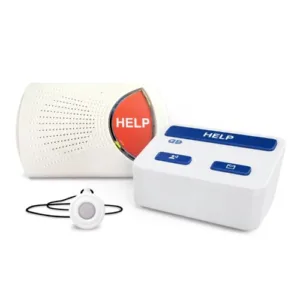
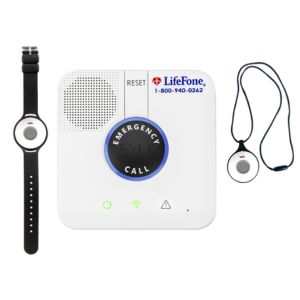
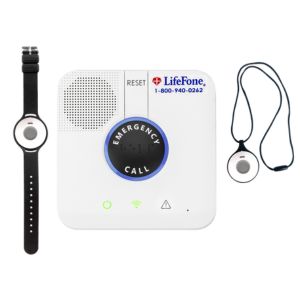
We like LifeFone’s in-home medical alarm systems because you can add extra layers of protection with inactivity alerts, daily check-ins, or fire and smoke monitoring.

And Lifefone’s wearable devices work up to 1,300 feet away from the base station—one of the longest ranges on the market. That means most folks can go out in the yard without switching to a mobile device.

pro
What we like
pro Landline and cellular systems
pro Free spouse coverage
pro Battery monitored by center
pro Optional fall detection (starts at $5/mo.)
pro Lifetime warranty for defects
con
Room for improvement
con Lost or damaged equipment fees
con No caregiver portal for in-home system
Device options
Monthly fee*
Base equipment
Optional fall detection
Base unit,
Waterproof pendant or wristband
$5.00/mo.
Base unit,
Waterproof pendant or wristband
$5.00/mo.
Water-resistant mobile help button with speaker and charger $5.00/mo.
Device options
Monthly fee*
Base equipment
Optional fall detection
Water-resistant mobile device$5.00/mo.
Water-resistant mobile help button with speaker and charger $5.00/mo.
Safe Watch Active®$5.00/mo.

How to pick a medical alert system

There isn’t a one-size-fits-all solution when it comes to medical alert systems. We all have different needs and risk factors that need to be considered. To help you find your ideal emergency response match, we’ve outlined the different factors you should examine before making a decision.

Icon Income  Dark
Cost

​Many emergency response systems come with monthly service or usage fees in addition to the initial cost of the device. Be sure you understand the monthly cost before committing to a medical alert system—and ask if the company offers any specials or discounts on equipment when you sign up for monthly monitoring. You may also be able to save by paying for your service a year in advance instead of month to month.

Icon Bell  Dark
Monitoring services

There can be a difference between companies that operate their own monitoring center and those that outsource support to a generalized call center. Companies with their own monitoring centers have faster access to customer records and emergency responders who are specially trained to address the needs of medical alert system clients.

Icon Heart  Dark
Speciality settings

Some medical alert systems are designed with specific needs in mind. There are voice-activated alarms for people with dexterity challenges and other medical alerts that use motion detectors to automatically request assistance in the event of a fall.

Icon Check Shield  Dark
Two-way communication

Not all medical alert devices offer two-way talk. If the added comfort of speaking with an operator is important to you, choose a medical alert system that has this feature. Two-way communication can be available through the base unit or a help button.

Icon Light Bulb  Dark
Battery backup

You don’t want to worry about a dead battery when you need help. Make sure the medical alarm system you rely on has battery backup so that it can work even during a power outage.

Icon Keys  Dark
Key lockbox

You don’t want emergency responders to show up at your house with no way to get inside. Many medical alert systems offer lockboxes where you can keep a spare key to help emergency personnel get to you as quickly as possible.

Icon Smart Watch  Dark
Wearable options

Medical alert buttons are typically worn in a wristband or as a pendant around the neck. Which style you choose can be more than a matter of personal preference. Consider the strangulation risk of a neck pendant—although it’s a small risk, it can still be worrisome if you use a walker, wheelchair, or bed guardrails.

Icon Thumbs Up  Dark
Range and GPS

Some medical alert buttons will work only in your home, providing coverage for a 600-foot radius on average. If you want to be covered for shopping trips—or even when you’re out in your yard—look for a system with broader range. An alert system that uses GPS can increase mobility and make it easier for emergency services to pinpoint your location when it counts.


How we reviewed the best medical alert systems

To pick the best medical emergency alert systems, we used a combination of hands-on experience, customer interviews, online research, and phone calls with medical alert companies. We also dug into industry standards and both expert and customer reviews.

After examining 11 different medical alert systems and products, we identified the top four based on price, reliability, comfort, ease of use, extra features, and customer satisfaction. 

Medical alarm system FAQ

A medical alert system keeps you connected to help 24/7. If you experience a medical emergency like a fall or heart attack, a medical alert system makes it easy for you to get the help you need. Most medical alarm systems activate at the touch of a button, but others can detect a fall and automatically send out a distress signal.

Once your alert system is activated, you are connected to an operator at a monitoring center who assesses the situation and sends the help you need. Many medical alert systems also contact designated family or friends so you won’t be alone.

In most cases, medical alert systems are not covered by health insurance or Medicare. But you may be able to get some or all of the cost of a medical alert covered by long-term care insurance.

Because long-term care insurance is devoted exclusively to helping people remain in their homes, an alert system may qualify as an in-home care service. As with all medical coverage, it’s best to consult your insurance provider for a definitive answer about whether or not your medical alarm system could be covered.

Every 11 seconds, an adult age 65 or older goes to the emergency room because of a fall. Falls are the number one cause of fatal and nonfatal injury among older Americans, racking up $50 billion in fall-related medical costs in 2015.¹

Falls are one of the most common reasons people consider getting a medical alert system—but they’re not the only reason. Other considerations include getting older, living alone, or living with certain medical conditions such as diabetes. Unfortunately, there’s no perfect answer about when to add a medical alert system to your personal safety plan, but there are a few guidelines that may help.

  • First of all, listen to your gut. If you feel the need for an extra lifeline to help, don’t ignore it. Your peace of mind is important, and it shouldn’t be overlooked.
  • Other factors that may signal it’s time to look at a medical alert system include changes in mobility, balance, memory, or eyesight.

But your decision doesn’t have to be related to changing health. Medical alarms also make sense for anyone who regularly hikes alone, and they can help keep track of children and others who are prone to wandering.

Why we recommend Bay Alarm Medical devices

We like Bay Alarm Medical best because it covers all the bases at a competitive price. Overall, we think it’s an excellent choice for older adults who want both independence and security. 

Their medical alert systems are priced affordably, and it’s easy to add or subtract features and products as your needs change. Its month-to-month subscription makes it an excellent medical alert service for those who may need it only on a short-term basis. Plus, customers are happy with the monitoring service’s compassionate professionalism.