Hurricane Safety Reminders After Otis Devastates Mexico’s Pacific Coast

Why you can trust SafeWise
products considered
250+
research hours in 25+ in-home tests
10k+
years of combined experience
176+
homes and people protected
10M+

For over 12 years, SafeWise has conducted independent research, hands-on testing, and expert consultations to provide trustworthy, human-written home safety advice. Read our methodology.

Bell
Need to Know from SafeWise
  • Category 5 Hurricane Otis landed on Mexico's Pacific Coast yesterday.
  • At least 27 have died and at least 4 people are missing.
  • Climate change is cited as an accelerator of the storm's intensity.
  • Read our safety tips and reminders to be better prepared for hurricanes.

Hurricane Otis was a devastating Category 5 hurricane that made landfall on Mexico's Pacific Coast, particularly near Acapulco yesterday. The storm unleashed its fury on several coastal regions, causing widespread damage, killing at least 27 people, and displacing thousands of residents.

Otis rapidly intensified from a tropical storm to a Category 5 hurricane within 24 hours, with wind speeds reaching 165 mph. This rapid intensification was attributed, in part, to exceptionally warm ocean waters, which provided the storm with extra fuel and energy.

Stay Safe and become a SafeWise Insider!

Sign up for our free weekly newsletter to get the best safety news, product info, and deals.

By signing up, you agree to our Terms and Conditions and Privacy Policy.

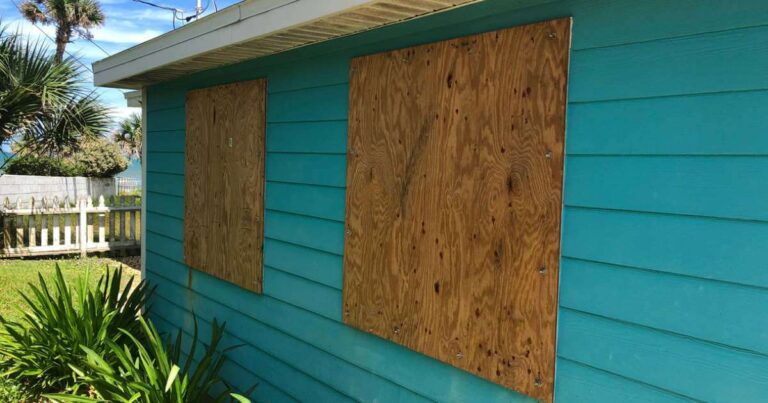
Homemade plywood covers the windows of a beach cottage in Florida in preparation for an oncoming hurricane.

Image: SandiMako, iStock

Climate change's impact on hurricane intensity

Scientists have warned that rising global temperatures could result in more powerful hurricanes, and Hurricane Otis is a stark example of this trend. As the ocean's surface temperatures warm, hurricanes can gather more energy, leading to their intensified strength. The increasing frequency of extreme weather events like Otis underscores the urgent need for global climate action.

Help for those affected

Various organizations, including Direct Relief, have been actively assisting and supporting those affected by Hurricane Otis. They are working to assess the extent of the damage and provide essential medical aid and resources to communities in need.

Hurricane safety reminders and tips

Emergency preparedness: Residents in hurricane-prone areas need to be prepared. Have an emergency kit ready, including non-perishable food, water, flashlights, batteries, and important documents. Stay informed about evacuation routes and shelters in your area.

Stay informed: Keep a close watch on weather forecasts and alerts issued by local authorities. Follow evacuation orders promptly and avoid taking unnecessary risks.

Flood safety: Flooding is a common aftermath of hurricanes. Avoid driving or walking through floodwaters—they may be deeper or more treacherous than they appear. If flooding is imminent, move to higher ground.

Generator safety:

  • Place generators outdoors. To prevent carbon monoxide poisoning, run the generator in a well-ventilated area.
  • Never use a generator inside your home or in enclosed spaces.
  • Don't use a gas stove or car to heat the home if power is out, as you risk carbon monoxide poisoning.

Stay connected: Keep a charged cell phone and a portable charger on hand. Establish a communication plan with family members to stay connected during and after the storm.

After the storm:

  • Exercise caution when returning to your home or community after the hurricane has passed.
  • Watch out for downed power lines, flooded roads, and debris.
  • Report any hazards to local authorities.

Assist vulnerable populations: Check on neighbors and family, especially older adults or people with special needs, to ensure their safety and well-being.


Related articles on SafeWise

Disclaimer: Portions of this article were assisted by automation technology. All content therein has been augmented, thoroughly edited, and fact-checked by our in-house editorial staff of human safety experts.

Rebecca Edwards
Written by
Rebecca is the Managing Editor and lead safety expert at SafeWise.com, where she's been researching, testing, and writing about home and personal security for over 12 years. Her safety smarts come from both real life and professional experience—as a single parent trying out safety and security gadgets to protect her family and a former college director responsible for safety plans and strategies to keep buildings, grounds, and hundreds of students and faculty safe every day. With 30 years of experience as a journalist and blogger, she's become a go-to source for trustworthy, practical advice on everything from the best home security systems and smart gadgets to keeping kids safe online, preventing package theft, and understanding crime trends nationwide. PBS NewsHour, The Today Show, NPR, Vice, TechCrunch, The Washington Post, HGTV, Marketplace, On the House, and more have featured Rebecca's expert insights and recommendations. Whether it's protecting your home, your loved ones, or your peace of mind, Rebecca makes safety simple, doable, and real.

Recent Articles

an unlocked, open sliding glass door
How to Secure Your Sliding Glass Door
Sliding glass doors can be a huge liability for home safety. Follow our tested tips...
2024 Best Parental Controls
The Best Parental Control Apps of 2026
We tested parental control apps that protect kids online and deemed Bark our favorite for...
mother walking kid to school
Best GPS Trackers and Tracking Devices for Kids in 2026
We tested 2026's best wearable GPS tracking devices designed to keep your child within reach...
Best smartwatches for kids 2024
Best Smartwatches for Kids | Tested by Parents and Kids in 2026
We researched and tested to find the best kids smartwatches that are actually worth your...