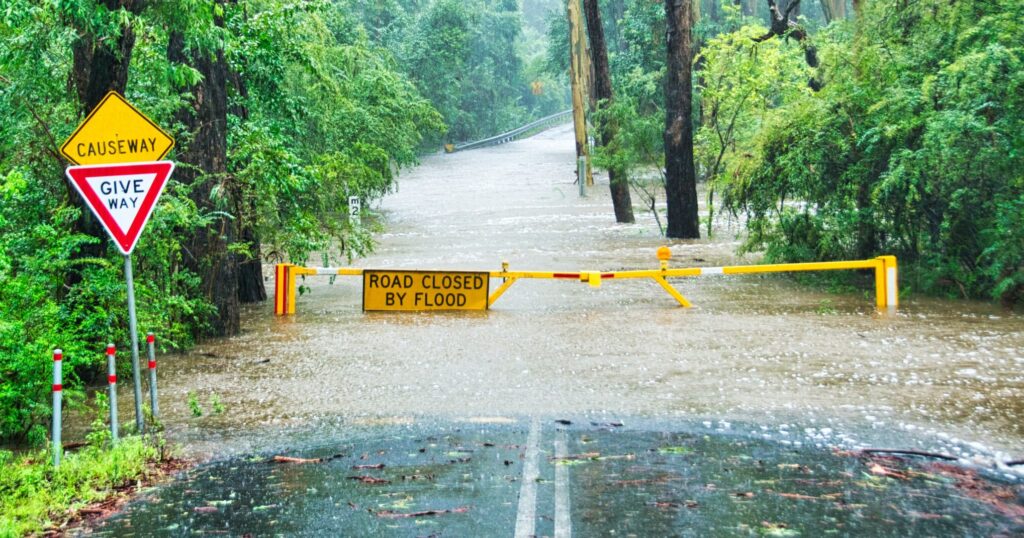
Precautions still need to be taken after a flood, as conditions may still be dangerous. After a flood, certain things need to be checked, cleaned or repaired before you can enter or start living in your property again. This is also to ensure your safety and hygiene. Water that enters the property can lead to contamination of items they may have come in contact with.
Only return to your property when you receive the message from SES that it is safe to do so.
If you need help with cleaning up after a flood, you can contact your local council for assistance.
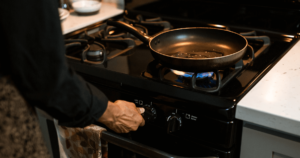
When returning to your property, Victoria Emergency recommends ensuriing gas and electricity are turned off before entering. Do not either back on until they have been checked by a qualified electrician and licensed gasfitter. Likewise, only turn on appliances or solar systems once a licensed electrician or gasfitter has tested them.
Red Cross's website advises to:
- Wear protective clothing when cleaning up, such as waterproof boots and rubber or leather gloves.
- Use a torch, and only use matches, candles, or lighters once you are sure there is no gas around.
- If you notice any strange smells like gas, immediately leave the building.
- Turn off the electricity at the main fuse box or circuit breaker if you spot any frayed wiring or sparks.
- Check for structural damage to your property before entering. You may use a qualified building inspector to check for these and contaminants, including asbestos.
- Call an electrician first for advice if you have to step in water to get to the fuse box or circuit breaker.
The NSW government warns not to use or handle any electrical appliances which have been affected by flooding. Have them checked by an electrician first.
Ensure you have licensed builders and tradespeople to check, reconnect services and conduct any repair work required to ensure the safety of the building. This can include asbestos contamination, demolishing dangerous structures and electrical wiring, plumbing and gas fitting.
It's essential to take photos and document any damage, whether renting or owning the property, particularly for insurance purposes.
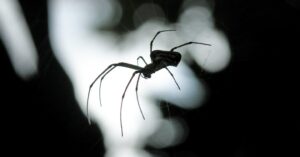
Look out for snakes, spiders, mice, and other wildlife that may have tried to hide from the flood, and contact your local council or wildlife rescue to arrange for their care.
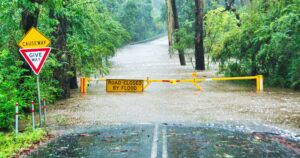
According to the NSW government's website, the primary cause of death during floods is people entering floodwater, including kids playing in floodwater. Even after the flood has passed, do not go into flood waters. There is a risk of electrocution, drowning, injury from objects in the water, illness, and infection from contaminated floodwaters.
This water can contain garbage, chemicals, sewage, and other hazardous contaminants, such as disease-causing bacteria, fungi, and viruses.
Flooding can also lead to an increased presence of animals, such as spiders and snakes.
Be sure to avoid fallen power lines, too, as they may be live and cause electrocution. Contact your emergency services immediately to report these.
The NSW government recommends the below steps to ensure your health and hygiene:
- Don't drink water from the property until you hear from local water authorities that it's safe and uncontaminated.
- Always wash your hands after cleaning up.
- Cover up any cuts well to prevent them from getting infected by contaminated water.
- Throw away any items that you cannot disinfect, if they have been in contact with floodwater, that may contain sewerage containing harmful bacteria and viruses.
Disaster recovery centres may be set up in your state following some disasters. These can provide various welfare services, including financial assistance, personal support, organising temporary accommodation, and providing information and referrals.
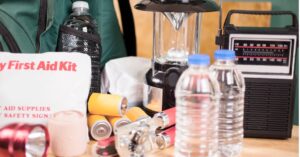
You may register at one of these recovery centres or with your local council to get the help you need. State emergency services have recovery kits available on their websites.





 6 min read