

Jury Finds Meta and YouTube Negligent in Landmark Social Media Addiction Case

Why you can trust SafeWise
products considered
250+
research hours in 25+ in-home tests
10k+
years of combined experience
176+
homes and people protected
10M+

For over 13 years, SafeWise experts have conducted independent research and testing to write unbiased, human reviews (not robots). Learn more.

Rebecca Edwards
Mar 25, 2026
Icon Time To Read2 min read

Rebecca helps you stay safe without the stress | Managing Editor | 12+ yrs in home + personal security | 30+ yrs in journalism | Expertise featured by NYT, PBS, Today Show, and more.

A Los Angeles jury just handed down a verdict that could reshape how social media platforms are designed — especially for kids.

After roughly 40 hours of deliberation, jurors found Meta and YouTube negligent in a closely watched case centered on social media addiction.

The jury determined that the platforms’ design features were a “substantial factor” in causing mental health harm to a young woman who began using the apps as a child.

The plaintiff, now 20, said she developed severe depression, body dysmorphia, and suicidal thoughts tied to compulsive use of Instagram and YouTube. The jury awarded $3 million in damages, with Meta responsible for 70% and YouTube for 30%.
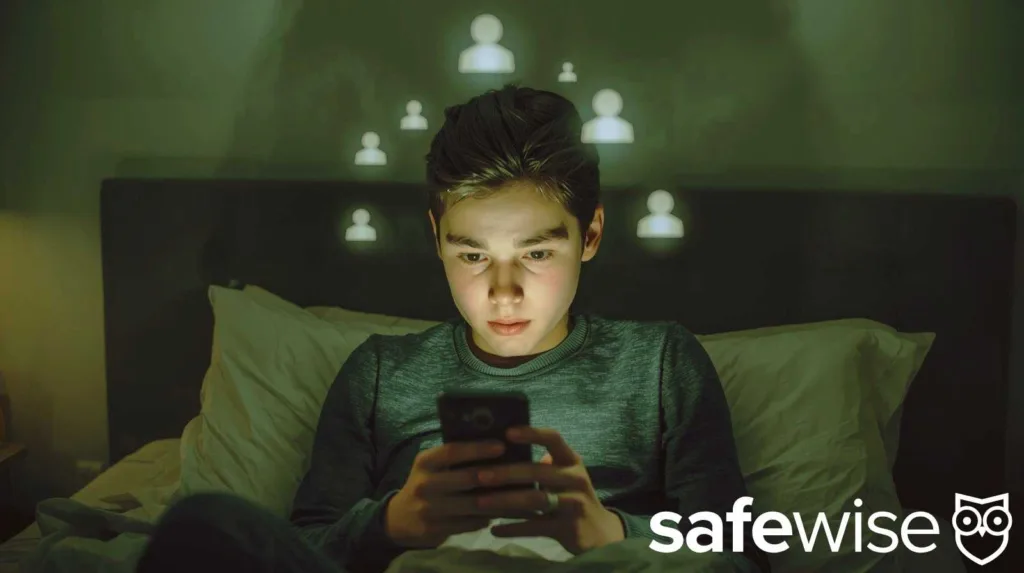

A teenager sitting in a bedroom at night, looking at a smartphone with multiple notification icons floating above.

Image: SafeWise

Why this case is different

What makes this verdict stand out isn’t just the outcome — it’s what the jury focused on.

Instead of evaluating harmful content, jurors were asked to look at the design of the platforms themselves:

  • Infinite scrolling
  • Autoplay videos
  • Persistent notifications

The argument? These features aren’t accidental — they’re engineered to keep users, especially kids, hooked.

That approach sidesteps a common legal shield (Section 230), which typically protects tech companies from liability tied to user-generated content.

Icon Quote  Dark
"If we wanna win big with teens, we must bring them in as tweens"
From an internal 2018 Meta document that was shared during the trial.

A potential “Big Tobacco” moment

Legal experts have been calling these cases the social media industry’s “Big Tobacco” era — and this verdict may be the first real proof point.

This was also an important test case, meaning it’s meant to set the tone for hundreds of similar lawsuits already in motion. More cases — some involving school districts and parents — are expected to follow later this year.

What Meta and YouTube said

Both companies pushed back on the claims during the six-week trial.

Executives, including Mark Zuckerberg and Instagram head Adam Mosseri, argued that the plaintiff’s mental health struggles were tied to personal and family challenges, not platform design. They also maintain that their apps are safe and include tools to support healthier use.

Meta has said it plans to challenge the verdict.

Icon Quote  Dark
"This case misunderstands YouTube, which is a responsibly built streaming platform, not a social media site."

What this means for families

For parents, this case reinforces something we’ve been seeing in research for years: it’s not just what kids see online — it’s how the platforms are built.

Features designed to maximize engagement can make it harder for kids (and adults) to log off, even when it’s affecting their mental health.

If this ruling holds — and if similar cases follow — it could push platforms to rethink how they design experiences for younger users.

In the meantime, it’s a good reminder to:

  • Talk openly with kids about how social media makes them feel
  • Set realistic boundaries around screen time
  • Use built-in app controls (when available)
  • Add the extra protection of parental control software
  • Watch for signs of compulsive or distressing use

Because while tech companies debate liability in court, families are still dealing with the real-world impact every day.

Rebecca Edwards
Written by
Rebecca is the Managing Editor and lead safety expert at SafeWise.com, where she's been researching, testing, and writing about home and personal security for over 12 years. Her safety smarts come from both real life and professional experience—as a single parent trying out safety and security gadgets to protect her family and a former college director responsible for safety plans and strategies to keep buildings, grounds, and hundreds of students and faculty safe every day. With 30 years of experience as a journalist and blogger, she's become a go-to source for trustworthy, practical advice on everything from the best home security systems and smart gadgets to keeping kids safe online, preventing package theft, and understanding crime trends nationwide. PBS NewsHour, The Today Show, NPR, Vice, TechCrunch, The Washington Post, HGTV, Marketplace, On the House, and more have featured Rebecca's expert insights and recommendations. Whether it's protecting your home, your loved ones, or your peace of mind, Rebecca makes safety simple, doable, and real.

Recent Articles

Jury Finds Meta and YouTube Negligent in Landmark Social Media Addiction Case
Meta and YouTube were found negligent in a landmark addiction case. Here’s why it matters...
How Safe Are the Fastest-Growing U.S. Cities?
Does a surge in population lead to a surge in crime? Find out in our...
Package Theft and Cybercrime Are Now the Most Common Crimes in America
State of Safety data shows Americans are more likely to experience package theft and cybercrime...
ADT security sign closeup
Alternatives to ADT Home Security Systems (2026)
Not sure ADT is right for you? Discover the best home security systems with flexible...