

The Fall Risk Nobody Talks About: Why Most Home Injuries Happen in These Three Spots

Why you can trust SafeWise
products considered
250+
research hours in 25+ in-home tests
10k+
years of combined experience
176+
homes and people protected
10M+

For over 13 years, SafeWise experts have conducted independent research and testing to write unbiased, human reviews (not robots). Learn more.

SafeWise Team
Jul 09, 2026
Icon Time To Read4 min read

Start with bathrooms, bedrooms, and thresholds

Good home fall prevention tips start with the places where balance, lighting, and footing change quickly: bathrooms, the nighttime path from bed to bathroom, and transition areas like doorways, rugs, and thresholds. Stairs still matter, but they are not the only place to focus.

If you are wondering where most home falls happen, the useful answer is not one single room. It’s the spots where daily routines make slips and trips more likely.

The CDC says falls are the leading cause of injury for adults 65 and older, which is why a focused home check is worth doing before a near-fall becomes an emergency.

The most dangerous places in the home are often the ordinary spots people stop noticing.
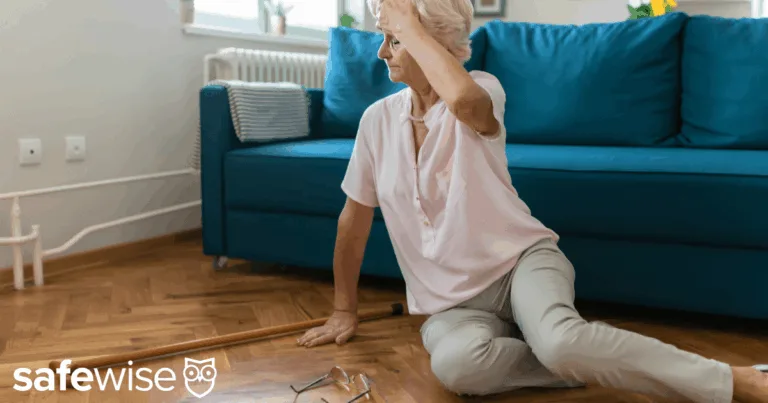
Woman who has fallen on the floor

Image credit: SafeWise

The bathroom combines slick floors, hard surfaces, and awkward movement

The bathroom deserves the first look because it stacks several risks in one small room. Floors get wet. People sit, stand, turn, and step over tub edges. Lighting is often dim at night, and a towel bar is not designed to support body weight.

For fall prevention for seniors, properly anchored grab bars are the best place to start. Put one near the toilet and one inside the shower or tub. Skip suction-cup handles or clamp-on tub rails unless a professional has confirmed they are right for the surface and user.

The CDC home fall prevention checklist also recommends practical changes like non-slip mats, better lighting, and removing things that can slide underfoot. In the bathroom, that means a non-slip mat inside the tub or shower, a secure mat outside it, and non-slip strips if the tub floor is slick.

A raised toilet seat can help if sitting down or standing up takes extra effort. For showers, a shower chair or handheld showerhead may make bathing less rushed and more stable.

These are small changes, but they address the moments when balance tends to shift.

The bedroom risk is really the nighttime route

A bedroom does not seem risky until you think about when many falls happen: after waking up, in low light, while trying to get to the bathroom quickly. That short route can include blankets, slippers, pets, laundry baskets, cords, throw rugs, and furniture corners.

If you are searching for home safety for elderly parents, walk the path from the bed to the bathroom at night. Do it with the lights off or dimmed. Anything your foot could catch, bump, or step around should move.

Motion-activated nightlights are a simple fix because they do not require someone to find a switch while half-awake. Plug-in lights near the bed, hallway, and bathroom door can make the route visible without flooding the room with bright light.

Bed height matters too. A bed that is too low can make standing harder. A bed that is too high can make getting out awkward. The goal is pretty simple: feet should reach the floor, and standing should not require a big push, twist, or drop.

Nighttime dizziness is also worth taking seriously. Some medications can make people feel lightheaded or off-balance. Ask a doctor or pharmacist whether timing or side effects could be part of the problem.

Thresholds are small until your foot catches one

Transition areas are easy to overlook because they do not feel like rooms. They are the places between rooms: the lip between carpet and hardwood, a raised doorway strip, a loose rug by the kitchen, or the step at the front door.

These spots matter because your foot, cane, walker, or shoe has to adjust quickly. That is harder when someone is tired, carrying groceries, wearing slippers, or moving from bright outdoor light into a dim entryway.

Start with throw rugs. If a rug slides, curls, bunches, or sits in a walking path, remove it or replace it with a low-profile, non-slip option. The National Institute on Aging recommends looking room by room for hazards like loose rugs, clutter, and poor lighting, then fixing the paths people use every day.

For raised thresholds, a small threshold ramp can turn an abrupt edge into a gradual slope. Exterior doors may also need better lighting, a sturdy handrail, or a grab bar near the entry. That front-door grab bar can help when someone is stepping up, turning with keys, or carrying a bag.

A weekend audit covers the three spots that matter most

You do not have to fix every possible hazard in one day. The safest setup is the one that matches how someone actually moves through the home. A useful first pass is a focused audit of the bathroom, bedroom route, and transition areas.

Start with these changes:

  • Bathroom: Add anchored grab bars, non-slip mats, better lighting, and a raised toilet seat if sitting or standing is difficult.
  • Bedroom route: Clear the path to the bathroom, add motion lights, move cords, and check bed height.
  • Thresholds: Remove loose rugs, smooth raised transitions, brighten doorways, and add support near exterior steps.
  • Whole home: Keep everyday items within reach so no one has to climb, stretch, or rush.

The National Council on Aging notes that fall-prevention home modifications can range from small fixes to larger projects, and an occupational or physical therapist can help identify changes that fit a person’s needs.

For more aging-in-place ideas, SafeWise also has SafeWise senior safety resources that can help you think beyond one room or one device.

Fix the route before you worry about every room

The best first step is not a full remodel. It is a walk-through with a sharper eye. Look for water, darkness, uneven flooring, and places where someone has to sit, stand, turn, or step over something.

That is the simple takeaway behind these home fall prevention tips: focus on the spots where normal movement gets harder. A safer bathroom, a clearer nighttime path, and smoother thresholds can do a lot for fall prevention at home.

SafeWise Team
Written by
The SafeWise Team is here to help you keep your home and family safe. Whether you’re looking to pick a security system or identify and remove common risks in your home, we’re here to help you find the best products and well-researched answers. At SafeWise we combine our years of experience in home safety and security with user reviews and feedback to help take the guesswork out of living safe.

Recent Articles

Technician installing a smoke alarm
Best Smoke Detectors of 2026
We reviewed the top fire and smoke alarms for your home in 2026. Protect your...
woman checking on home security system via app on smartphone
The Best Alexa-Compatible Home Security Systems
Best for built-in integration ADT Voice control of ADT system Works with Alexa Guard View...
Vivint App: A Complete Guide to Features and Use
Tour the Vivint app and discover its features, navigation, and customization capabilities. Learn how to...
dangerous apps for kids
Dangerous Apps for Kids: What Parents Need to Know in 2026
Dangerous apps for kids include ones you’ve heard of (TikTok, Instagram) and some new arrivals....