

The Personal Safety Habit Most People Ignore Until Something Happens

Why you can trust SafeWise
products considered
250+
research hours in 25+ in-home tests
10k+
years of combined experience
176+
homes and people protected
10M+

For over 13 years, SafeWise experts have conducted independent research and testing to write unbiased, human reviews (not robots). Learn more.

SafeWise Team
Jul 05, 2026
Icon Time To Read3 min read

Most personal safety advice starts with the same phrase: be aware of your surroundings. That is useful, but incomplete. Awareness helps in the moment. A simple check-in helps someone else know when the moment did not go as planned.

The personal safety habit most people ignore is one of the easiest to use: tell someone where you are going and when you expect to be back before you go alone. Start with one message: “Going to X, back by Y.”
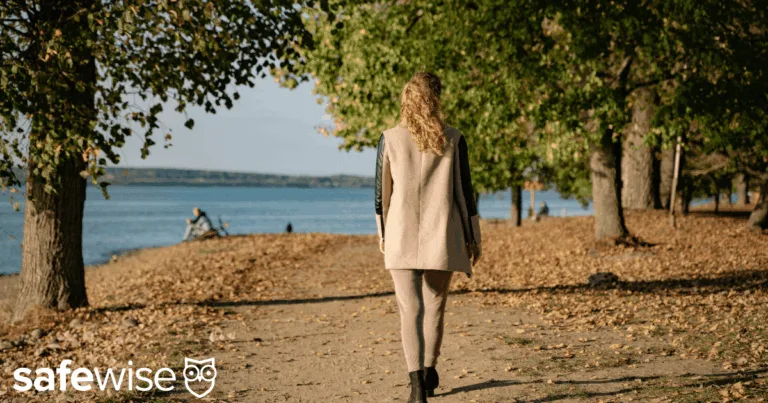
Woman walking alone

Image credit: SafeWise

Tell someone your plan before you go

One of the most important personal safety habits is letting a trusted person know where you are going, who you are meeting if that matters, and when you expect to return.

It costs nothing, takes about 30 seconds, and gives someone enough context to notice if something is off.

That one habit works before a solo hike, a first date, a late-night errand, a rideshare home, or a trip to an unfamiliar place. If you are wondering how to stay safe in public, start with a plan someone else knows.

Why a 30-second check-in matters

A check-in does not prevent every problem. It removes a common gap: no one knows where to start if you do not come back when expected.

Outdoor safety guidance makes this point clearly. The U.S. Forest Service tells people to give someone exact outing details, including where they are going, their route, when they will return, where they parked, and who is with them.

The Suzy Lamplugh Trust gives similar advice for going out at night: make sure someone knows where you are going, who you are meeting, and when you expect to return.

That same idea applies to personal safety for everyday life. You are not asking someone to monitor you. You are giving a trusted person enough information to check in, call, or act if your plan changes and you are not reachable.

Make the message specific enough to help

A useful check-in does not need to be dramatic. It just needs enough detail to help later.

Try something like:

  • “Heading to dinner at Mesa. Meeting Jordan. Home around 9 p.m.”
  • “Starting the Oak Loop trail now. Back at the car by 4 p.m.”
  • “Taking a rideshare home. I’ll text when I’m inside.”

The best version includes these things: where you are going, when you expect to be back, who you are meeting, and which route you are taking.

The return check-in matters, too. A quick “I’m home” closes the loop and makes the habit low-effort for the person helping you.

Use location sharing as a tool, not a rule

Live location-sharing can make this habit easier, especially for solo activities where you may not want to keep texting.

Apple lets users share location with trusted contacts through Find My, Messages, and Maps. Google Maps supports real-time location sharing and lets you choose who can see your location and for how long.

Use location-sharing on purpose: share with someone you trust, set a time limit when that makes sense, and stop sharing when you no longer need it.

Location-sharing is helpful, but it should not be the whole plan. Phones lose battery, service drops, and a simple text still gives context that a dot on a map cannot.

Situational awareness is simpler than people make it sound

Situational awareness means noticing where you are, and whether something has changed enough to adjust your plan. It does not mean staring suspiciously at everyone nearby.

Here are some useful situational awareness tips:

  • Know the cross streets when you are in an unfamiliar area.
  • Look up before walking into a parking garage.
  • Notice exits in a restaurant, event space, or transit station.
  • Keep one ear open if you use headphones.
  • Personal safety awareness also means giving yourself permission to leave. You do not need to prove a situation is dangerous before you change seats, end a conversation, or ask for help.

Add a few everyday habits when you go out alone

The check-in is the main habit. A few everyday personal safety tips make it work better.

Keep your phone charged enough to call, text, navigate, or pay for a ride home. Keep it accessible, not buried in a bag. Know your route before you start walking, especially at night.

For rideshares, verify the license plate, vehicle, and driver name before getting in. Uber says riders can share trip status with friends or family, including the driver’s first name, vehicle information, and real-time map location.

Sit in the back seat, keep your seat belt on, and send your “I’m home” text after you are inside.

If you are meeting someone from an app or online marketplace, choose a public place, tell someone who you are meeting, and have your own way home. A quick check-in is just part of the plan.

Adapt the habit to where you are going

For hiking, running, or outdoor activities alone, share the trailhead, route, expected return time, and what you are wearing. Download an offline map if service may be spotty, and sign in at a trail register when one is available.

For a first date or meetup, share the person’s name, the place, and the time you expect to leave.

For late errands, parking garages, or isolated lots, know where you are headed before you start walking, and keep your keys and phone easy to reach.

Close the loop when you get home

Personal safety is not about living as if something bad is about to happen. It is about making it easier for someone to help if something does. Before you go somewhere alone, send the check-in text: “Going to X, back by Y.” When you get back, close the loop.

Want more safety tools and habits for different situations? SafeWise’s personal safety resources have you covered.

SafeWise Team
Written by
The SafeWise Team is here to help you keep your home and family safe. Whether you’re looking to pick a security system or identify and remove common risks in your home, we’re here to help you find the best products and well-researched answers. At SafeWise we combine our years of experience in home safety and security with user reviews and feedback to help take the guesswork out of living safe.

Recent Articles

woman checking on home security system via app on smartphone
The Best Alexa-Compatible Home Security Systems
Best for built-in integration ADT Voice control of ADT system Works with Alexa Guard View...
Vivint App: A Complete Guide to Features and Use
Tour the Vivint app and discover its features, navigation, and customization capabilities. Learn how to...
dangerous apps for kids
Dangerous Apps for Kids: What Parents Need to Know in 2026
Dangerous apps for kids include ones you’ve heard of (TikTok, Instagram) and some new arrivals....
Map showing location pins for the city in each state with the highest burglary rate.
The Most Burglarized City in Every State
We found the most-burglarized city in every state — it looks like burglars are equal...