

A security camera can look impressive on a wall, but bad placement can ruin the footage when it matters most. Are you putting your outdoor security camera in the right place?
The Right and Wrong Place to Put Your Outdoor Security Camera
Why you can trust SafeWise
products considered
250+
research hours in 25+ in-home tests
10k+
years of combined experience
176+
homes and people protected
10M+
For over 13 years, SafeWise experts have conducted independent research and testing to write unbiased, human reviews (not robots). Learn more.

 3 min read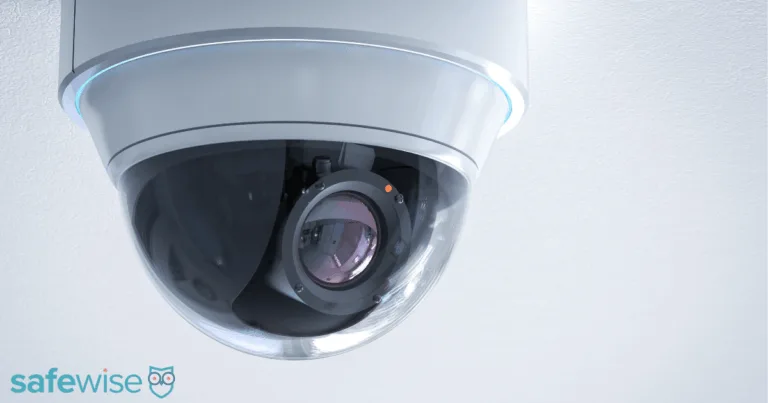
Image credit: SafeWise
What is the right and wrong place to put your outdoor security camera?
The best outdoor camera placements are spots a person would actually use, such as the front door, driveway, side gate, and rear entry. Cameras should sit at the right height, avoid glare, and be angled to reduce blind spots—othwerwise, even a good system can miss useful detail.
The most common placement mistake
Most issues with outdoor security camera placement are due to avoidable setup mistakes that compromise overall performance.
Mounting the camera too high is one of the biggest mistakes. Although it might be more secure, cameras mounted too high often capture top-down angles, which reduce facial detail and make identification difficult.
Another common mistake is pointing cameras toward direct light sources like streetlights, sunrise direction, or porch lights. This creates glare and washes out important details.
Homeowners with multiple exterior doors place too much emphasis on a single front-facing camera while ignoring other vulnerable points of entry, such as side gates or backyard entrances.
Common outdoor camera placement mistakes
- Installed cameras too high, resulting in loss of detail
- Cameras are directed to face direct sunlight or bright lighting
- Not checking the side gates or back entrance
- Leaving gaps that create security camera blind spots
- Not checking if the night vision works before permanently installing
Correcting these basic mistakes improves system performance more than upgrading hardware
Priority placement by location
Proper home camera placement emphasizes real movement patterns, not just visible spaces on your property for smart home safety.
Here are some best placement for security cameras where you should focus installing security cameras:
Front door (Where is the best place to put outdoor security cameras?)
The outdoor security cameras are best placed in front of the door, slightly above eye level. This allows for clear facial visibility of anyone entering or leaving the property. In this case, a video doorbell is typically the best choice since it is already positioned height-wise with the visitor and records directly at the door.
Driveway
Driveways are essential areas to monitor, as they encompass vehicle movement, deliveries, and access. Position your camera in a way that sees incoming and outgoing cars, and make sure that it’s positioned to show license plates or the vehicle's direction of travel.
Side gates (What are the most important spots to cover with cameras?)
Side gates are among the most critical locations for implementing cameras since they are often used as entry and exit points, which may not be visible from street level. These areas are often missed in basic setups, and if they go unmonitored, they represent a high-risk blind spot. Adding motion lighting in these areas further improves visibility and camera effectiveness.
Back yard/rear entry
These are especially crucial as they cannot be seen by neighbors or the street. This is where the wide-angle camera shines, but it can be better with tracking movements over larger areas. This area is frequently chosen for breaches due to decreased visibility.
How high should a security camera be mounted?
One of the more critical outdoor security camera placement decisions is how high to mount your security camera. The ideal mounting height is around 7–9 feet, which provides a good balance between facial clarity and overall coverage.
Height guidelines
- 7–9 feet: the best height for security camera detail and coverage
- 10+ feet: camera will have a wider view, but detail will be poor
- <7 feet: camera is low enough to be damage
Need more guidance? The SafeWise Home Security Guide offers more detail on where to mount cameras and how to set them up properly.
Security camera blind spots and coverage planning
It’s important to consider security camera blind spots—areas that are not fully visible between camera angles.
Blind spots more typically exist at building corners, narrow alleyways, or areas where camera fields overlap. These gaps create vulnerabilities where movement can pass between cameras without being detected.
Avoiding these vulnerabilities requires appropriate spacing and angle testing.
Lighting and camera effectiveness
Lighting plays a major role in determining where to place outdoor security cameras, particularly for night vision performance.
This is important because the dark environment will also pose a challenge for even high-quality cameras. Footage can easily wash out or become unusable if a camera is pointed into strong light.
Best practices for lighting
- Install motion-activated lights at entry points.
- Make sure lights illuminate the area where subjects or people will be, and not the camera lens.
- Do not light the area in such a way that creates glare for the camera.
- Night vision footage should be assessed before finalizing positions.
- Lighting and camera angles should be optimized together.
- Lighting can improve both the visibility of the area and the deterrence of crime.
Practical takeaway
A proper camera setup focuses on smart placement rather than just increasing the number of cameras. Correct height, lighting, and placement to eliminate blind spots at entry points are far more important than the brand or cost of the equipment. Take 20 minutes to review your setup - check your height, angle out glare, and add lights where your camera needs them most.



Recent Articles
Best Smoke Detectors of 2026
We reviewed the top fire and smoke alarms for your home in 2026. Protect your...
The Best Alexa-Compatible Home Security Systems
Best for built-in integration ADT Voice control of ADT system Works with Alexa Guard View...
Vivint App: A Complete Guide to Features and Use
Tour the Vivint app and discover its features, navigation, and customization capabilities. Learn how to...

Dangerous Apps for Kids: What Parents Need to Know in 2026
Dangerous apps for kids include ones you’ve heard of (TikTok, Instagram) and some new arrivals....


 Your Privacy Choices
