

Many people mix up home invasion and burglaries, but they have distinct definitions. We’ll share the differences with you below.
Home Invasions vs. Burglaries: What’s the Difference — and How to Prepare for Both
Why you can trust SafeWise
products considered
250+
research hours in 25+ in-home tests
10k+
years of combined experience
176+
homes and people protected
10M+
For over 13 years, SafeWise experts have conducted independent research and testing to write unbiased, human reviews (not robots). Learn more.

 3 min read
 Edited ByKit Smith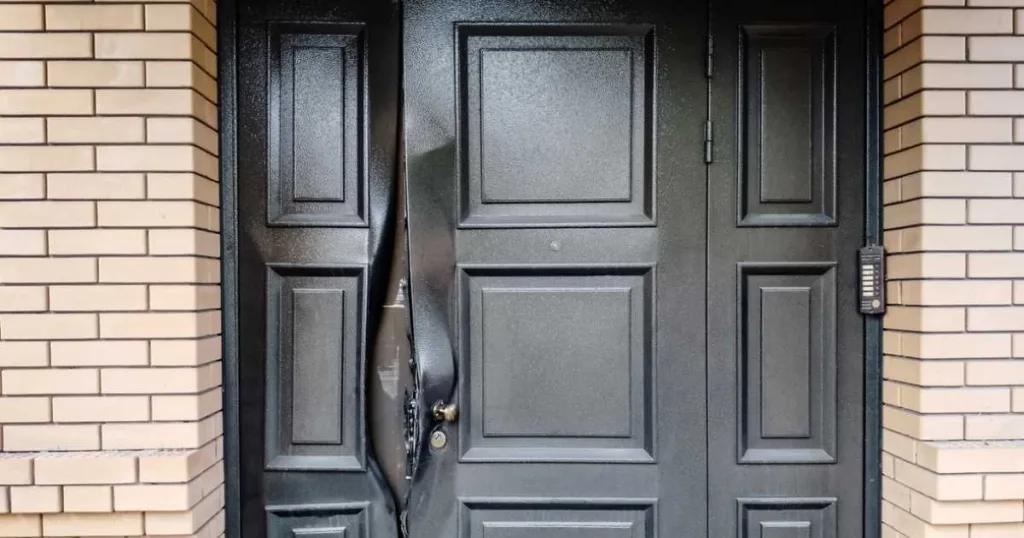
Image credit: Iuliia Alekseeva, iStock
What is the difference between a home invasion and a burglary?
A burglary usually means someone enters a home or building to steal or commit another crime, and it often happens when nobody is there. A home invasion means someone enters while the home is occupied, which changes the risk, the response, and the kind of home security for occupied homes that makes sense.
Most of the preparation for a home invasion vs. a burglary overlaps. You still want solid locks, better lighting, cameras, and visible signs of activity. The main difference is this: if someone enters while you are home, you need a simple household plan, a safe place to go, and a fast way to call for help.
The legal and practical distinction
In basic terms, a burglary focuses on unlawful entry to commit a crime. Home invasion focuses on unlawful entry into a home while people are there.
That difference matters because risk changes when a house is occupied. A stolen package or a missing laptop is one kind of problem. A forced entry while someone is inside is another kind entirely, even if both involve the same front door.
- Burglary: Under the FBI Uniform Crime Reporting program, burglary refers to unlawful entry of a structure to commit a felony or theft.
- Home invasion: There is no single federal definition used everywhere, but the term usually means a forcible entry into an occupied home.
- Why people confuse them: News reports and casual talk often blur the terms, so readers hear one label when another would be more accurate.
- Why the difference matters: The first question changes from “How do I stop theft?” to “How do I protect people already inside?”
Here is the quick side-by-side view:
Are home invasions more common than burglaries?
No, home invasions are not more common than burglaries, according to Zebra Insurance. In practical terms, burglars usually want lower-risk targets and often prefer homes that appear empty, quiet, and easy to enter.
How preparation for both home invasions and burglaries overlap
If you strip away the labels, the basics for both home invasions and burglaries are surprisingly similar. You want to make entry harder, increase visibility, reduce easy opportunities, and create quick ways to notice trouble.
SafeWise’s State of Safety research shows that nearly half of households use security cameras and about one in three use a security system—this speaks to the notion that you should build layers of security instead of relying on just one quick fix. Here are some security points to consider:
- Entry-point security: Deadbolts, longer strike-plate screws, reinforced frames, and locked sliding doors make forced entry harder.
- Lighting: Motion lights remove darkness, which helps around garages, side paths, porches, and back doors.
- Visible cameras: Cameras can deter before entry and document events after entry.
- Signs of occupancy: Timed lights, parked cars, regular routines, and a lived-in look can make a home less appealing.
- Community awareness: Good neighbor relationships help because people notice strange movements faster than apps alone.
- Monitored support: A quality set of home security systems can add alerts, documentation, and response options.
Think of home security like a seat belt and brakes. One feature helps, sure. But a layered setup helps more because each part solves a different problem.
This is also why home security technology and home security habits work well together. A camera may catch a person on the porch, but a locked gate, lit walkway, and alert neighbor may stop the problem much earlier.
Where preparation diverges if someone enters while you’re home
If someone breaks in while you are home, your goal is not to investigate the noise like a movie character. Your goal is to create distance, get behind a barrier, call emergency services, and follow the safest plan available.
That is where occupied-home preparation becomes different. You are no longer thinking mainly about stolen property. You are thinking about getting household members to a known place quickly and avoiding direct contact whenever possible.
What to do if someone breaks in while you’re home
If someone breaks in while you’re home, move to a designated safer room if you can, lock the door, call 911, stay quiet, and follow dispatcher instructions. Do not search the house unless there is no safer option. The best plan is simple, practiced, and easy to remember under stress.
- Safe room: Pick a room with a solid door, a lock, a phone charger, and a way to call for help.
- Family plan: Decide who grabs children, who calls 911, and where everyone goes.
- Fast communication: Keep a charged phone nearby at night so you do not need to cross the house.
- Clear language: Use one short phrase everyone knows, such as “safe room now.”
- Practice once in a while: A short drill can remove confusion without turning the home into a bunker.
Preparing for home invasions vs. burglaries
Most of the preparation for both situations (home invasions vs. burglaries) is the same: strengthen doors, reduce signs of an empty home, use visible tech, use simple security layers, and know your response plan. The key difference is context. Knowing what you are preparing for helps you stay practical, informed, and realistic.
When you get the basics right, you are not just buying gadgets. You are making your home harder to target and easier to protect.

Recent Articles
Best Smoke Detectors of 2026
We reviewed the top fire and smoke alarms for your home in 2026. Protect your...
The Best Alexa-Compatible Home Security Systems
Best for built-in integration ADT Voice control of ADT system Works with Alexa Guard View...

Vivint App: A Complete Guide to Features and Use
Tour the Vivint app and discover its features, navigation, and customization capabilities. Learn how to...

Dangerous Apps for Kids: What Parents Need to Know in 2026
Dangerous apps for kids include ones you’ve heard of (TikTok, Instagram) and some new arrivals....


 Your Privacy Choices
