

Why Your Neighbor’s Camera Footage Could Be Key After a Break-In

Why you can trust SafeWise
products considered
250+
research hours in 25+ in-home tests
10k+
years of combined experience
176+
homes and people protected
10M+

For over 13 years, SafeWise experts have conducted independent research and testing to write unbiased, human reviews (not robots). Learn more.

Cherif A.
Jul 08, 2026
Icon Time To Read4 min read
Icon CheckEdited ByKit Smith

After a break-in, it is natural to focus on what was taken, what was damaged, and how to secure the home again. One step people often miss is checking whether a nearby camera saw something yours did not.

Neighbor security camera footage after break-in can help fill in those gaps. Your camera may only show the porch, driveway, or one side of the house. A neighbor’s doorbell camera may show the street, a parked car, a person walking up, or which way someone left.

The quick answer: yes, you can ask your neighbor for footage, but they may choose not to share it. Ask quickly, give a clear time window, and involve police early so any useful footage is preserved and handled the right way.
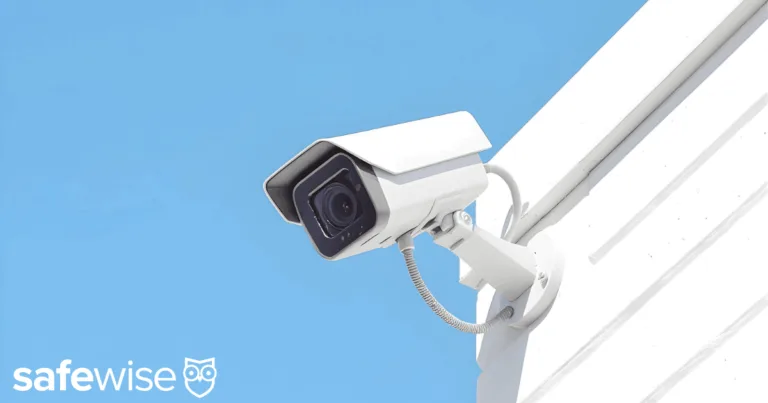

Security camera on the side of a house

Image: SafeWise

Check the closest cameras first

If you are figuring out home break-in what to do, start with safety and the police report first. Once that is underway, think about which cameras may have had the clearest view.

Start with homes across the street, next door, behind your yard, or near the route someone may have used to come and go. A camera does not have to point directly at your front door to help. It may show a vehicle passing by, someone entering a side gate, or a person carrying items away.

Doorbell camera footage burglary clips can be useful because they often catch street-level movement. A neighbor’s camera may also have a wider angle than yours, especially if your view is blocked by a wall, porch column, tree, or parked car.

Try to ask within the first day if possible. Storage windows vary by device, plan, and settings. Ring, for example, lets users adjust how long videos are stored in the cloud, so the safest move is to ask before a clip is deleted, overwritten, or forgotten.

Ask clearly and make it easy to help

If you are wondering how to get neighbor camera footage, the easiest first step is a calm, direct request. In person is often best if you already know the neighbor, but a text, call, or note can work too.

Keep your ask short and specific. Give the date, time window, and what you are looking for. If you are not sure about the exact time, ask them to check a little before and after the main window.

You might say, “Hi, my home was broken into sometime between 1 p.m. and 4 p.m. yesterday. I filed a police report and am checking whether any nearby cameras caught activity on the street, driveway, or sidewalk. Would you be willing to check your footage from that window and save anything that looks unusual?”

If you are asking a neighbor for ring footage, the same rule applies: be specific, polite, and focused on preserving the clip. Do not ask them to identify someone, confront anyone, or post the video online.

Know what useful footage looks like

Security camera evidence after theft does not have to be perfect to help. A clear face or license plate is useful, but a blurry clip can still show timing, direction, clothing, vehicle color, or the path someone took.

Different clips can also work together. Your camera might show when someone reached your porch. A neighbor’s camera might show the car. Another camera could show which way the person left.

Video can be useful, but it needs to stay as close to the original as possible. The Bureau of Justice Assistance gives police guidance on preserving video evidence, and the same basic idea applies here: save the original clip, avoid editing it, and ask police how they want it sent.

Do not try to act on the footage by yourself. Even if the video looks clear, let police review it. The goal is to preserve possible evidence, not identify a suspect, confront someone, or investigate on your own.

Let police know which cameras may have footage

After a break-in, file the police report before trying to collect everything yourself. The report creates an official record and gives you a case or incident number to share when needed.

Tell police which neighbors may have cameras and what those cameras might have seen. If a neighbor has footage but does not want to send it to you, let the officer know. Police may be able to request the clip directly or explain the safest way for your neighbor to share it.

If you do get a clip, ask the officer how to submit it. Some departments may want the original file, while others may give you an email, upload link, or case portal. Keep a note of who sent the video, when you received it, and which camera it came from.

Save footage for your insurance claim

Yes, neighbor camera footage can help with insurance claims, especially when it supports the timeline, shows how someone entered, or confirms stolen items leaving the property. It usually works best alongside a police report, photos, videos, and an itemized list of missing or damaged items.

Nationwide’s theft claim guidance recommends calling police, taking photos or videos of damage, and filing the claim with your insurer. Neighbor footage can become one more piece of that documentation.

If a neighbor sends you a clip, save the original file if possible. Write down who gave it to you, where the camera is, the date and time of the clip, and how it relates to the break-in.

What if your neighbor says no?

A neighbor may say no, and that does not always mean they are being difficult. They may be worried about privacy, unsure how to download clips, uncomfortable sharing video, or too busy to check right away.

If they say no, thank them and move on. You can ask one follow-up question: “If you do not want to share it with me, would you be willing to save it for a few days in case police ask?”

After that, do not push. Let police know the camera exists and let them decide what to do next.

Act quickly, but let police handle the next steps

Neighbor footage does not replace calling police, filing a report, or taking your own photos. But it can fill in gaps, especially if your camera missed the street, a car, or the direction someone left.

Act quickly, ask clearly, and keep things simple. Give your neighbor a time window, ask them to save anything unusual, and let police handle the next steps.

A break-in is already stressful. Knowing how to request nearby footage gives you one practical thing to do without trying to investigate on your own.

Cherif A.
Written by
Cherif A. is an SEO content strategist and blog writer. His writing covers consumer-focused subjects such as home safety, personal security, digital tools, smart home technology, and everyday preparedness. Drawing on a research-first approach, Cherif aims to make safety and technology topics feel accessible without oversimplifying them. When he’s not writing, Cherif enjoys following digital trends and studying what makes online content genuinely helpful for readers.

Recent Articles

Technician installing a smoke alarm
Best Smoke Detectors of 2026
We reviewed the top fire and smoke alarms for your home in 2026. Protect your...
woman checking on home security system via app on smartphone
The Best Alexa-Compatible Home Security Systems
Best for built-in integration ADT Voice control of ADT system Works with Alexa Guard View...
Vivint App: A Complete Guide to Features and Use
Tour the Vivint app and discover its features, navigation, and customization capabilities. Learn how to...
dangerous apps for kids
Dangerous Apps for Kids: What Parents Need to Know in 2026
Dangerous apps for kids include ones you’ve heard of (TikTok, Instagram) and some new arrivals....