What to Do in the First 24 Hours After Your Home Is Broken Into

Why you can trust SafeWise
products considered
250+
research hours in 25+ in-home tests
10k+
years of combined experience
176+
homes and people protected
10M+

For over 13 years, SafeWise experts have conducted independent research and testing to write unbiased, human reviews (not robots). Learn more.

SafeWise Team
Jun 24, 2026
Icon Time To Read4 min read
Icon CheckEdited ByKit Smith

A break-in can make even simple decisions feel hard. Start with safety, then move through the next steps one at a time: call police, avoid touching or cleaning anything, document the damage, list what is missing, and contact your insurance company.

If you are unsure what to do after a home break-in, get somewhere safe first, wait for police to clear the house, preserve the scene, and start the paper trail you may need later.

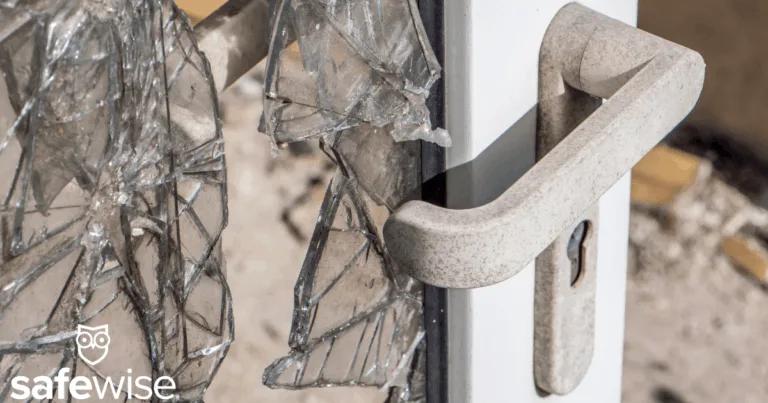
Door with broken glass

Image: SafeWise

Step 1: Get somewhere safe

The first step is safety, not cleanup.

If you arrive home and something feels unusual, like a broken window or open door, don't go inside to check. Move to a safe place, such as a neighbor's house, your car parked away, or a public area, and call 911.

Menlo Park Police gives basic guidance for a home break-in:

  • Do not enter.
  • Call 911.
  • Do not touch anything until the police inspect it.
  • Write down details about suspicious people or vehicles nearby.

If you already walked inside before realizing what happened, leave if you are not sure the person is gone. You can check belongings later.

Once you are safe, contact everyone who lives with you. Confirm that children, roommates, relatives, pets, or anyone else who may have been there is safe and accounted for.

Step 2: Do not touch or clean up yet

Should I touch anything after a burglary? If you can avoid it, no. Do not move, clean, repair, or throw away anything until police have had a chance to look at the scene.

That includes broken glass, damaged locks, open drawers, moved furniture, doors, windows, or anything that looks like it may have been handled. It may be tempting to tidy up, but you should wait until officers tell you it is OK. The reason is simple: moving through the home too much can disturb evidence.

The National Institute of Justice notes that limiting activity at a crime scene helps reduce the risk of contamination or loss of evidence. You do not need to think like an investigator. Just keep people out, keep pets away if you can, and leave things where they are.

Step 3: Document the damage before you fix anything

Once police say you can move through the home, take photos and videos before cleaning up. Start outside, then work your way in.

Take clear photos of entry points, such as broken windows, damaged doors, forced locks, pry marks, or damaged garage doors. Then document each affected room. Open drawers, missing electronics, damaged furniture, and scattered belongings may all matter later.

Use video if it feels easier. Walk slowly through the home and narrate what you see. You do not need perfect footage. You need a clear record of the home's condition before cleanup.

Nationwide recommends taking photos of damaged property before it is repaired or thrown away, and securing doors, windows, or the roof if it is safe to do so. That is a good way to think about this step: document first, then fix.

Also check your own security cameras, doorbell camera, smart lock history, garage door app, or alarm system activity as soon as you can. Some systems overwrite clips quickly. Save anything that shows people, cars, license plates, or the time the break-in may have happened.


Step 4: Make a list of what is missing

After a break-in, it’s normal to notice missing items in waves. Start a written list right away, even if it is incomplete.

For each item, write down what you can:

  • Item name
  • Brand, model, or serial number
  • Color or description
  • Estimated age and value
  • Receipts, photos, app records, or bank statements if you have them

Proof might include a receipt, product box, warranty email, app registration, photo, bank statement, or an old picture of the item in your home.

The Insurance Information Institute says a home inventory can help settle insurance claims faster and substantiate losses. You may not have a full inventory now, and that is OK. Start with what you know and add details as you find them.

If you are unsure about a value, write down your best estimate and mark it as an estimate. If you later find the receipt or serial number, add it to the list.

Step 5: File the police report and start the paper trail

Filing a police report after a break-in is one of the most important steps because it creates an official record of what happened. Your insurance company may ask for the report number, and the police may need it if you later find more missing items or obtain camera footage from a neighbor.

Ask the responding officer for the report or incident number before they leave, if available. If the report will not be ready right away, ask how to get a copy, who to contact, and when to follow up.

Also ask how to submit extra evidence later, such as your own camera clips, footage from a neighbor, photos of a suspicious car, serial numbers for stolen items, or anything else you discover is missing.

Keep a simple log of every police-related conversation. Write down the date, time, officer name or badge number if provided, report number, and what was discussed.

Step 6: Start your insurance claim within the first day

Contact your insurance company as soon as possible, ideally within the first 24 hours. Every policy is different, so follow your insurer's instructions and check your specific reporting timeline.

The Insurance Information Institute recommends reporting any crime to police and calling your insurance professional right away when filing a homeowners claim. Your insurer can tell you what forms, photos, lists, or repair estimates they need.

When starting a home insurance claim after burglary, have these basics ready if you can: your policy number, police report number, the date and estimated time of the break-in, photos and videos, a list of stolen or damaged items, receipts or serial numbers, and any temporary repair receipts.

If you do not have everything yet, do not wait to call. You can usually open the claim first and add documentation as you gather it.

Ask your insurer before throwing away damaged items or making major permanent repairs. If a door, window, or lock needs immediate work to keep the home secure, ask whether temporary repairs, rekeying, or board-up costs may be covered under your policy.

Step 7: Secure the home before the first night

Once police have cleared the scene and you have documented the damage, make the home safe enough for the night. Take photos first, then cover broken windows, repair damaged locks, or block any entry point that cannot close properly.

If keys, garage remotes, or access codes were stolen, change what you can right away. Rekey locks, reset garage openers, update smart lock codes, and change alarm or account passwords.

Check with your insurer before making major repairs or disposing of damaged items. If the home cannot be secured, stay somewhere else until it can.

The first 24 hours are about order, not fixing everything

A break-in is a lot to process, and you do not have to handle it perfectly. The most important thing is to move in the right order.

Ensure you’re safe before going inside. Call the police. Do not touch the scene until officers have checked it. Take photos and videos. Save camera footage. Make a list of missing items. Keep the report number. Start the insurance claim.

That sequence gives you something steady to follow when things feel scattered. It also lays the foundation for repairs, insurance, and regaining comfort in your space.

SafeWise Team
Written by
The SafeWise Team is here to help you keep your home and family safe. Whether you’re looking to pick a security system or identify and remove common risks in your home, we’re here to help you find the best products and well-researched answers. At SafeWise we combine our years of experience in home safety and security with user reviews and feedback to help take the guesswork out of living safe.

Recent Articles

dangerous apps for kids
Dangerous Apps for Kids: What Parents Need to Know in 2026
Dangerous apps for kids include ones you’ve heard of (TikTok, Instagram) and some new arrivals....
Map showing location pins for the city in each state with the highest burglary rate.
The Most Burglarized City in Every State
We found the most-burglarized city in every state — it looks like burglars are equal...
Ring Alarm security system unboxed.
Ring Security vs. Frontpoint
Frontpoint is our pick in this DIY security system matchup. Its starter package is more...
Technician installing a smoke alarm
Best Smoke Detectors of 2026
We reviewed the top fire and smoke alarms for your home in 2026. Protect your...