

10 Free Things You Can Do Today to Make Your Home Harder to Break Into

Why you can trust SafeWise
products considered
250+
research hours in 25+ in-home tests
10k+
years of combined experience
176+
homes and people protected
10M+

For over 13 years, SafeWise experts have conducted independent research and testing to write unbiased, human reviews (not robots). Learn more.

Cherif A.
Jun 30, 2026
Icon Time To Read3 min read
Icon CheckEdited ByKit Smith

SafeWise's 2026 State of Safety report found that nearly half of U.S. households use security cameras, and preventing a future breach was the top reason people increased their security methods.

A lot of the easiest security wins are habits, not products. Keep reading for practical home security upgrades to consider before investing in a home security system.
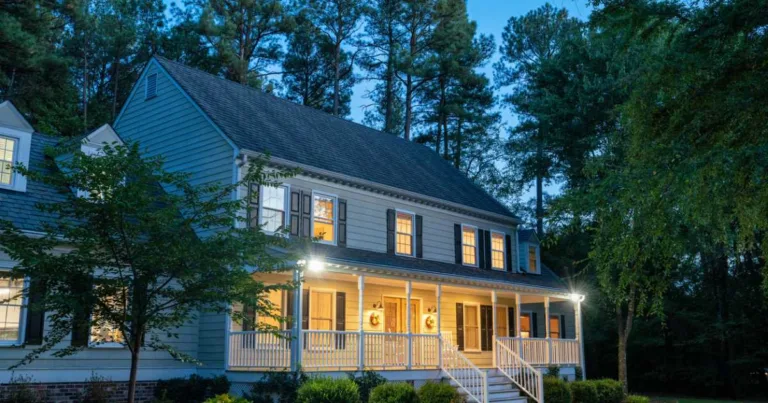

Well-lit home at dusk

Image credit: ferrantraite

Start with the free basics you control

How can I make my home more secure for free?

Here are some essentials to start with:

  • Lock every entry point
  • Remove cover near doors and windows
  • Use lights you already own
  • Stop hiding keys outside
  • Vary obvious routines
  • Post trips online after the fact (not during)
  • Ask a neighbor for help
  • Change default passwords on connected devices

If your search started with "home security tips no money," the best free ways to secure your home usually come down to habits, visibility, and access. None of the steps below require a purchase.

1. Lock every door and window before you do anything else

Check the front door, back door, side door, balcony door, sliding door, basement windows, garage entry door, and any windows you opened earlier. This removes the lowest-effort entry point first.

Research published in Security Journal linked door and window locks, especially when paired with lighting, with stronger burglary protection than having no security measures in place.

2. Move anything that creates cover near entry points

Look at your doors and ground-floor windows from the outside. If a garbage can, bike, bin, storage box, overgrown plant, or stack of deliveries gives someone a place to stand without being seen, move it.

The point is not a perfect yard. It is to make the approach to doors and windows more visible to neighbors, passersby, and anyone inside.

3. Use the lights you already have more intentionally

If you are leaving for the evening, turn on an interior lamp that makes the home look occupied from the street. If you own smart lighting devices that you can set on a schedule to make it seem like you’re home, give that a go. If you don’t have smart lighting, even one visible light is better than a dark house.

4. Take the spare key out of its hiding spot

A spare key under the mat, in a fake rock, above the doorframe, or inside a planter is convenient for you. It is also convenient for anyone who knows the usual hiding places.

Move it today. If someone else needs access, give it to a neighbor, friend, or family member you trust. A hidden key outside can turn a locked door into an unlocked one.

5. Walk your property at dusk

Step outside as it gets dark and look at each door, basement window, side gate, and garage area. Note which entry points disappear into shadow and which existing lights already help.

This costs nothing today, and it gives you a priority list if you add motion lighting later. For now, it helps you use existing lights in smarter spots.

6. Close the garage door immediately

An open garage can show tools, bikes, ladders, storage, vehicles, interior doors, and daily routines. It also creates an easy place for someone to step inside.

Set a rule: the garage closes as soon as the car, bike, stroller, or trash can moves through it. Not later. Right away.

7. Make your routine a little less predictable

If your lights, blinds, packages, and driveway look the same every weekday, your home can show a pattern. When you can, bring packages in sooner, close blinds at different times, leave a different light on, or ask someone to grab mail if you are away.

The goal is not to act paranoid. It is to stop your home from broadcasting the same schedule every day.

8. Wait to post vacation photos until you are home

You can still share the beach photo, the game, the wedding weekend, or the road trip. Just share it after you get back.

Public, real-time posts can tell strangers that your home is empty. Location tags, airport photos, hotel views, and captions about being gone for the week can share more than you meant to. Before you post, ask whether it shares the moment or your schedule, address, and empty house.

9. Ask a neighbor to keep an eye out

A trusted neighbor is one of the most useful free security resources you have because they know what your home normally looks like.

Keep the ask simple. If you are going away, tell them the dates, who should be at the house, and whether any deliveries are expected. Ask them to text you if they notice an open garage door, packages piling up, or a person hanging around an entry point. You do not need them to patrol or investigate.

10. Change default passwords on devices you already own

Home security is not only doors and windows. If you already use cameras, smart locks, a router, a video doorbell, or smart home apps, check the passwords.

The FTC recommends changing default usernames, passwords, and network names on internet-connected home devices. Start with your router, then check cameras, locks, and shared smart home accounts.

Use unique passwords, and turn on two-factor authentication when the app offers it. SafeWise's smart home safety guidance is a good next step after the basic password check.

Start with the free fixes you will actually do

What are the easiest home security improvements? The ones you can finish today: lock up, move cover away from entry points, use existing lights, remove hidden keys, close the garage, vary visible routines, post later, ask a neighbor, check dark spots, and change default passwords.

These easy home security improvements work because they reduce obvious signals and access points. These free habits can make your home less inviting, less predictable, and harder to enter without slowing down.

Cherif A.
Written by
Cherif A. is an SEO content strategist and blog writer. His writing covers consumer-focused subjects such as home safety, personal security, digital tools, smart home technology, and everyday preparedness. Drawing on a research-first approach, Cherif aims to make safety and technology topics feel accessible without oversimplifying them. When he’s not writing, Cherif enjoys following digital trends and studying what makes online content genuinely helpful for readers.

Recent Articles

dangerous apps for kids
Dangerous Apps for Kids: What Parents Need to Know in 2026
Dangerous apps for kids include ones you’ve heard of (TikTok, Instagram) and some new arrivals....
Map showing location pins for the city in each state with the highest burglary rate.
The Most Burglarized City in Every State
We found the most-burglarized city in every state — it looks like burglars are equal...
Ring Alarm security system unboxed.
Ring Security vs. Frontpoint
Frontpoint is our pick in this DIY security system matchup. Its starter package is more...
Technician installing a smoke alarm
Best Smoke Detectors of 2026
We reviewed the top fire and smoke alarms for your home in 2026. Protect your...