

Home cameras have gotten a lot smarter and a little harder to explain. Remember when security cameras just recorded everything and hoped for the best? You'd get alerts for every leaf, shadow, and passing car. Now AI home security cameras can tell the difference between a person, a pet, and a package. That's huge. But here's the catch: not all AI is created equal, and some features cost more than they're worth. So what can AI security cameras do that regular cameras can't, and should you actually upgrade?
AI-Powered Home Cameras are Getting Eerily Good. But Are They Worth It?
Why you can trust SafeWise
products considered
250+
research hours in 25+ in-home tests
10k+
years of combined experience
176+
homes and people protected
10M+
For over 13 years, SafeWise experts have conducted independent research and testing to write unbiased, human reviews (not robots). Learn more.

 4 min read
 Edited ByKit Smith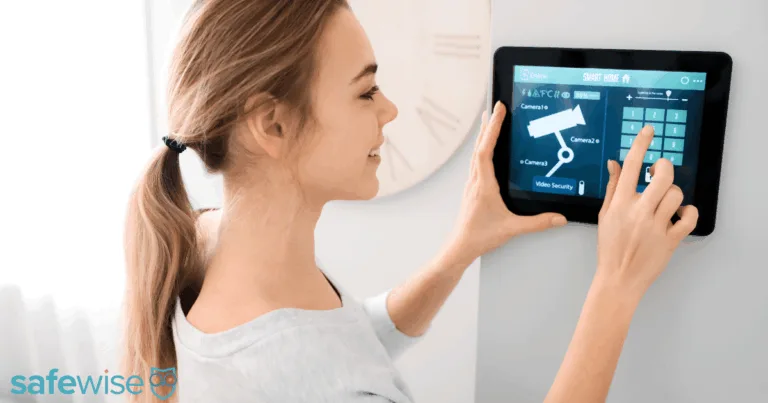
Image: SafeWise
What can AI security cameras do that regular cameras can't?
AI-powered cameras can detect more than motion, but whether the upgrade makes sense depends on what you actually need and what you're comfortable with. Basic cameras trigger on any movement. AI home security cameras analyze what's moving, where it's going, and whether it matters.
Now let's walk through what "AI-powered" actually means and which features deserve your money.
What "AI-powered" actually means in a home camera
Not all smart cameras are equally smart. The term "AI" gets thrown around like candy at Halloween, but the reality varies wildly between a $50 camera and a $300 one. Here's what's actually under the hood:
- Facial recognition: The camera learns who lives there and flags strangers instead of your spouse walking past the door.
- Package vs. person detection: A home camera with AI detection distinguishes between a delivery box and an intruder, cutting false alerts by up to 80 percent in some models.
- Behavior pattern analysis: Unusual activity like loitering or repeated circling triggers alerts while normal movement stays quiet.
- Sound detection: Broken glass, alarms, or crying babies get flagged even when the camera isn't actively recording.
Standard motion cameras can't do any of this. They just see movement and trigger alerts whether it's a burglar or a bouncing ball. AI home security cameras filter the noise so you only get alerts that matter.
AI quality varies by brand, price, and subscription plan
But here's the thing: The quality of this AI varies by brand, price, and sometimes subscription plan. Budget cameras often advertise AI detection, but in real-world low-light tests they miss a significant share of people, sometimes close to one in three, because of weaker sensors and less advanced algorithms.
Premium models use better processors and more training data, which means sharper accuracy. That's why whether a smart home camera is worth it depends entirely on your specific needs and budget.
The impressive stuff — and the overhyped stuff
AI camera tech has come a long way, but it's not magic. Some features genuinely change the game. Others feel like marketing fluff designed to justify a higher price tag.
Where AI detection genuinely adds value
Fewer false alerts top the list. Nothing kills credibility faster than getting 15 notifications a day for swaying trees. AI home security cameras with proper training cut false positives dramatically. Smart clips also help — instead of storing 24 hours of footage, the camera saves only the moments that matter. That saves storage and makes reviewing events faster.
Faster identification matters too. When an alert says "stranger at front door" instead of "motion detected," you know exactly what you're dealing with. Some cameras even read license plates or identify whether someone's holding a weapon. That's next-level stuff. These are among the best features in home security cameras right now.
Where it falls short or feels like a stretch
Accuracy isn't perfect yet. Lighting issues still trip up facial recognition. A hat, sunglasses, or a bad angle can confuse even premium models. Some cameras lock features behind subscription paywalls — you buy the hardware, then pay monthly to unlock the AI you thought you got.
Detection ranges vary wildly too. A camera might claim 95 percent accuracy but only at 10 feet in perfect daylight. Step outside those conditions and performance drops. And let's be honest — some "behavior analysis" features feel like overkill for most households. Does your average home really need loitering detection?
Brief, honest note on cost vs. practical benefit for most households
For households with high theft risk or lots of deliveries, an upgrade to premium AI home security cameras pays off fast. For quiet neighborhoods with low crime, basic motion cameras might cover 90% of needs.
What to know about privacy before you buy?
Here's the uncomfortable truth: home security camera privacy concerns matter more than most buyers realize. AI home security cameras collect a lot of data. And that data doesn't always stay on your device.
What data AI cameras collect and where it goes
Most cameras record video, audio, and metadata like timestamps and movement patterns. AI-powered models add facial data, behavior profiles, and sometimes voice patterns. This data usually goes to cloud servers for processing. Some companies store it for days or weeks. Others process it locally and delete it immediately.
Are AI home cameras a privacy risk?
Yes, AI home cameras can pose a risk if you skip the privacy policy. Cloud storage means your footage lives on someone else's server. That's convenient, but it also means a breach could expose your data. Some companies share anonymized data with partners for "improving services." Others sell aggregated insights to advertisers. Facial recognition databases raise even bigger questions — does the company compare your face to public databases? Do they share data with law enforcement?
How to evaluate a camera's privacy policy without reading 40 pages of legal text
Skip the jargon. Look for three things: where data is stored (local vs. cloud), who can access it (you only vs. third parties), and how long it's kept (hours vs. years). If the policy is vague or buried, that's a red flag. Privacy-focused brands make these details easy to find.
Practical takeaway
AI home security cameras offer real improvements over basic motion detection — but the right choice comes down to your household's needs, your comfort with data sharing, and your budget. If you want fewer false alerts, smarter clips, and faster identification, the upgrade makes sense. If privacy is your top priority or your neighborhood has low crime, a basic camera might be enough.
Are AI security cameras worth the extra cost?
Yes, AI security cameras worth the extra cost for most households with deliveries, pets, or busy streets. The 70–90 percent false alert reduction alone saves time and frustration. AI security cameras are less of a must for quiet homes with low crime where basic motion detection covers most needs.
Should you upgrade to an AI security camera?
The AI security camera tech is genuinely impressive, and it keeps getting better. AI home security cameras aren't essential for every home, but they're no longer a gimmick either. Going in with clear expectations makes all the difference: if you want fewer false alerts and smarter alerts, the upgrade is worth it. If privacy is your top concern or your neighborhood is quiet, a basic camera might be enough.

Recent Articles
Best Smoke Detectors of 2026
We reviewed the top fire and smoke alarms for your home in 2026. Protect your...
The Best Alexa-Compatible Home Security Systems
Best for built-in integration ADT Voice control of ADT system Works with Alexa Guard View...

Vivint App: A Complete Guide to Features and Use
Tour the Vivint app and discover its features, navigation, and customization capabilities. Learn how to...

Dangerous Apps for Kids: What Parents Need to Know in 2026
Dangerous apps for kids include ones you’ve heard of (TikTok, Instagram) and some new arrivals....


 Your Privacy Choices
