

Security cameras are everywhere. You see them on porches, in driveways, and above garage doors. But do they actually stop crime or just document it after the fact? Most security companies say "yes, they stop crime" without hesitation. The research, however, tells a more nuanced story. Visible cameras do reduce some types of crime, but they're not a magic shield. So do security cameras deter crime, and where does the evidence really stand?
Do Security Cameras Actually Deter Crime? What The Research Says
Why you can trust SafeWise
products considered
250+
research hours in 25+ in-home tests
10k+
years of combined experience
176+
homes and people protected
10M+
For over 13 years, SafeWise experts have conducted independent research and testing to write unbiased, human reviews (not robots). Learn more.

 4 min read
 Edited ByKit Smith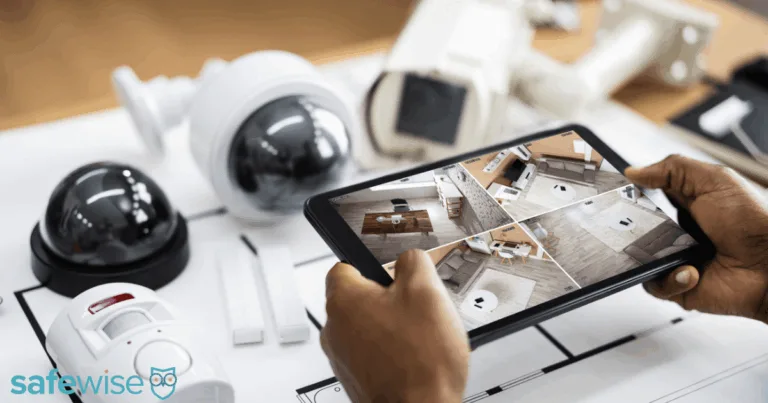
Image: SafeWise
Do security cameras deter crime, and where does the evidence really stand?
Research generally supports that visible security cameras have a deterrent effect on opportunistic crime, but the degree varies based on placement, neighborhood, and crime type. They're not a guarantee, but they're not just for recording, either.
Now, let's look at what criminology studies actually say about security camera crime deterrence research.
What the research actually shows
Multiple peer-reviewed studies find that visible security cameras reduce opportunistic property crime in residential settings. The effect isn't universal, but it's consistent enough to matter.
Do security cameras reduce the chance of being burgled
Yes—for opportunistic burglars. A study published in the Journal of Quantitative Criminology found that homes with visible cameras were 300 percent less likely to be targeted compared to similar homes without them.
The deterrence is strongest for burglary and package theft, where the offender has time to assess risk before acting. In fact, SafeWise's annual package theft report highlights just how common these opportunistic porch piracies have become across the country.
Do burglars avoid houses with cameras?
Yes, most opportunistic burglars avoid houses with visible security cameras. A 5-year study by the Rutgers University School of Criminal Justice analyzed crime data from Newark, NJ (2001–2005) and found that neighborhoods with more registered security systems — including visible cameras — saw significantly fewer residential burglaries, with no displacement to nearby homes. Burglars generally want low-risk, high-reward targets.
A visible camera adds both risk and effort, making the next house look easier. For a deeper look at how offenders choose their targets, you can review the latest SafeWise home burglary statistics.
Effectiveness is weaker for crimes of impulse or desperation
Cameras don't stop everyone. Crimes driven by impulse, addiction, or desperation often bypass risk calculation. A person in crisis may not notice a camera, or may not care. Home security camera effectiveness drops significantly in these scenarios.
Camera placement matters more than you think
Placement is everything. Cameras that are clearly visible but hard to disable show stronger deterrence in studies. A camera hidden behind a bush or mounted too high to see sends a weak signal. Visible security camera deterrence relies on the offender noticing the threat before acting.
Where the evidence gets more complicated
The research isn't all positive. Some studies reveal important limitations that most marketers won't mention.
Displacement effect: Does crime just move next door
Some research suggests cameras can displace crime rather than eliminate it. When one home gets protected, a burglar might target the house next door instead. A 2018 review in Crime Prevention and Community Safety found displacement in 15–20 percent of cases. However, displacement doesn't mean cameras are useless—it means community-wide coverage works better than individual installations. For local crime trends, SafeWise's State of Safety research breaks down risk by area.
Familiarity effect: Do cameras lose power over time?
In neighborhoods with many cameras, the deterrence effect can diminish. Offenders become accustomed to seeing them and may stop noticing. This "familiarity effect" is real, but it takes time. Fresh installations still carry a strong initial deterrent punch.
Camera quality and monitoring: Does it matter if no one watches?
Yes, an unmonitored camera with no recording capability may deter less than a clearly active system. Offenders can sometimes tell when a camera is fake or inactive. Whether home surveillance reduces crime depends partly on whether the camera looks real and functional.
Fake cameras: Do dummy cameras work?
Research is mixed. Dummy cameras may deter low-stakes opportunists in low-crime areas. But against experienced offenders, fake cameras are unreliable. A skilled burglar can spot a non-functioning camera from 20 feet away. Investing in a real system is safer long-term.
How to set up cameras for the strongest deterrent effect
You can maximize security camera crime deterrence by following research-backed placement rules:
- Visibility: Cameras should be positioned to be noticed, not hidden—deterrence requires awareness.
- Coverage signage: A visible notice that recording is active adds to the deterrence signal.
- Entry point priority: Front door, driveway, and side gate coverage addresses the most common access points.
- Pair with lighting: A well-lit camera at an entry point is significantly more effective than either alone.
Is your camera placement working?
Check these three signs:
- Can a stranger spot the camera from the street within five seconds?
- Does the camera cover the most likely entry point (front door or side gate)?
- Is there a visible sign stating "24-hour recording" or "video surveillance"?
If you answered "no" to any of these, your deterrence signal is weaker than it should be.
Security cameras are usually worth it
Security cameras are worth it for most households—but their primary value as a deterrent depends on placement and visibility. Treat documentation as a secondary benefit, not the main one. A well-placed, visible camera stops opportunists. A hidden or fake one does little.
Are security cameras worth it for home protection?
Yes, security cameras are worth it for most households. Visible, well-placed cameras reduce opportunistic crime risk by 30–50 percent in residential studies. But security cameras aren’t worth it if you expect them to stop every crime or replace other safety measures like locks and lighting.
Well-placed security cameras deter crime
The research is imperfect, but it’s clear: visible, well-placed cameras do reduce opportunistic crime risk. The problem isn’t whether cameras work—it’s whether yours are set up to work. Hidden or fake cameras send no signal. But a camera seen from the street, covering your front door, and paired with lighting can stop a burglar before they even try.
Cameras aren’t a cure-all, yet they’re far more than just recording devices. Don’t guess if your setup works. Compare expert-tested options at SafeWise's home security system guide before buying home security cameras.

Recent Articles
Best Smoke Detectors of 2026
We reviewed the top fire and smoke alarms for your home in 2026. Protect your...

The Best Alexa-Compatible Home Security Systems
Best for built-in integration ADT Voice control of ADT system Works with Alexa Guard View...

Vivint App: A Complete Guide to Features and Use
Tour the Vivint app and discover its features, navigation, and customization capabilities. Learn how to...

Dangerous Apps for Kids: What Parents Need to Know in 2026
Dangerous apps for kids include ones you’ve heard of (TikTok, Instagram) and some new arrivals....


 Your Privacy Choices
