If you're looking for a practical first step, motion-activated exterior lighting is one of the best home security upgrades for the average household.
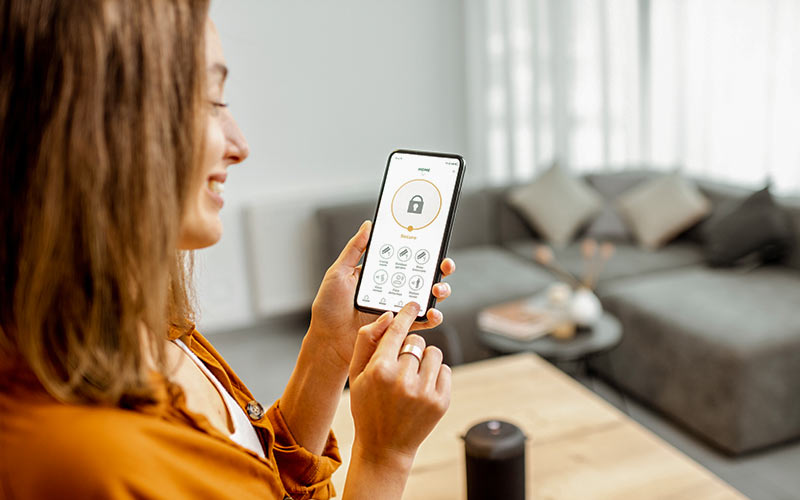
Security experts often recommend lighting to improve visibility around entry points, driveways, walkways, and other areas where someone could approach a property unnoticed. It also works well alongside other security measures, including cameras, video doorbells, smart home devices, and alarm systems.
While no single upgrade can prevent every break-in, exterior lighting consistently ranks among the most effective home security measures for its combination of affordability, visibility, and ease of use.
One reason lighting is recommended so often is simple: people are less likely to engage in suspicious activity when they can be easily seen.
Well-placed lighting removes the concealment that dark areas provide. Entry doors, side gates, garages, and backyard access points become easier for homeowners, neighbors, and security cameras to see.
Research on crime prevention has long focused on visibility and surveillance as deterrence factors. A systematic Criminology review found that street lighting interventions were associated with significant reductions in some property crimes and remained a widely used crime-prevention strategy.
Law enforcement agencies often make similar recommendations. The U.S. Department of Justice's Center for Problem-Oriented Policing describes improved lighting as a situational crime-prevention measure that can reduce opportunities for crime by increasing visibility around residential areas.
Security experts also point out that lighting works best when it creates the appearance of an occupied, active property rather than a dark, unattended one.
Security lights can deter burglars, especially when used strategically.
Rather than relying on a single porch light, experts often recommend motion-activated lighting, timed lighting schedules, or smart lighting systems that make a property appear active and occupied.
Motion-triggered lights create sudden visibility when someone enters a monitored area, while timed lighting can help create the appearance that someone is home. Lighting can also support cameras and other security devices by making activity around the property easier to see and record.



 3 min read
 Edited By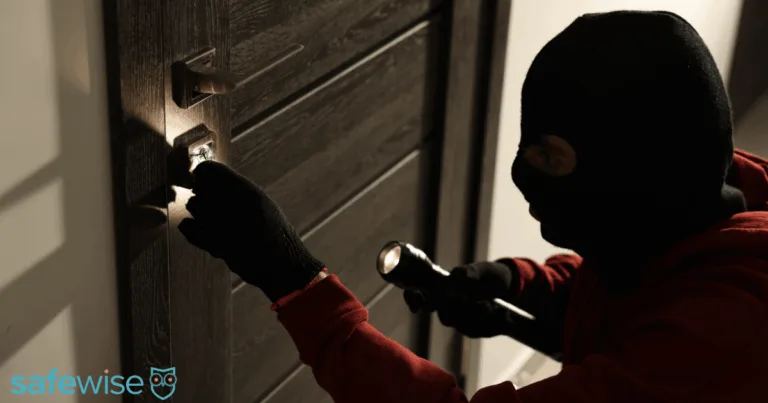




 Your Privacy Choices
