

Burglars often don't spend minutes weighing their options. They decide in seconds whether your home looks like an easy target or a hard risk. Most of us walk up to a door and glance around without thinking, and that split-second scan is exactly what criminals count on. Over 1.2 million burglaries happen each year, and many take less than 10 minutes from start to finish . So how do burglars choose a house in those first few seconds?
The Five-Second Rule Burglars Use To Decide Whether To Rob Your Home
Why you can trust SafeWise
products considered
250+
research hours in 25+ in-home tests
10k+
years of combined experience
176+
homes and people protected
10M+
For over 13 years, SafeWise experts have conducted independent research and testing to write unbiased, human reviews (not robots). Learn more.

 3 min read
 Edited ByKit Smith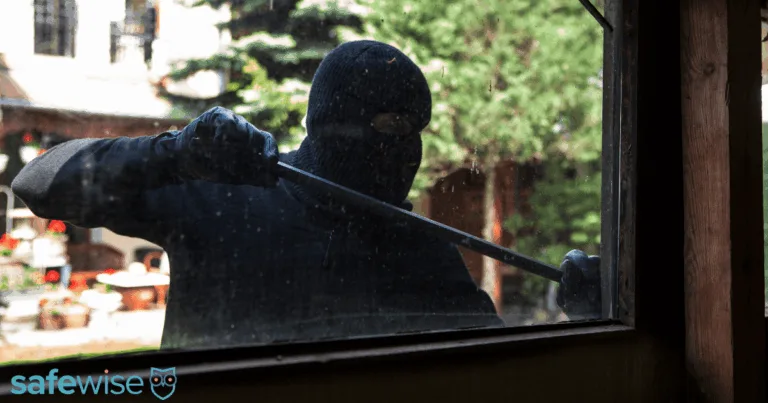
Image: SafeWise
How do burglars decide which house to rob in seconds?
Most opportunistic burglars make their go-or-no-go call within 5 to 10 seconds by reading lighting, occupancy signs, door strength, and neighbor visibility. Fix these four signals, and you remove the biggest red flags that make what makes a home a target obvious. Small changes like motion lights, a visible deadbolt, and keeping your yard active can flip the script fast.
Now let's look at what actually happens in those first few seconds when a potential burglar walks up to your front door.
What happens in those first few seconds
Burglars don't carry clipboards or spend time planning every detail. Research shows burglar psychology leans heavily on speed and instinct rather than careful calculation. When someone approaches your property, they're running a mental checklist that takes mere seconds to complete.
Most residential break-ins happen because the home looked like the easiest option available, not because the burglar specifically wanted your stuff. Understanding this home security deterrence mindset helps you protect what matters without living in fear.
Are burglars hunting for valuables or just scanning for easy targets?
These offenders aren't movie-style thieves planning a heist. They're looking for low-risk, high-reward situations where they can get in and out quickly. A dark porch or piled-up mail screams "empty house" louder than anything else.
What four questions run through a burglar's mind in seconds?
The four questions running through their mind are simple but critical:
- Is there a car in the driveway?
- Can neighbors see me from their windows?
- Does this lock look tough to break?
- If things go wrong, where's my escape route?
Why do most homes get skipped after a quick scan?
When a home scores poorly on any of these quick checks, burglars move on to the next one. This is exactly how to deter burglars without spending thousands on fancy systems. Making your property look like more work than the house next door usually works.
Are most break-ins planned heists or split-second decisions?
While some repeat offenders do case neighborhoods for days, the majority of break-ins are spur-of-the-moment decisions. University of North Carolina researchers interviewed 422 convicted burglars and found that 60 percent of burglars would seek an alternative target if they spotted an alarm.
The signals that register fastest
Burglars rely on visual cues they can spot from the street or sidewalk. These signals hit their brain within seconds and often determine whether they walk away or try the door.
- Lighting: A dark doorway is one of the fastest positive signals for a potential intruder because it means less chance of being seen.
- Occupancy cues: Lights on, a car in the driveway, or audible activity inside tell burglars someone's home right now.
- Door quality: A visible deadbolt and solid door frame registers as increased effort, which opportunistic thieves usually skip.
- Neighbor visibility: A property well-observed from the street or adjacent homes reads as higher risk since witnesses mean trouble.
What can you change that makes a difference in that first look?
You don't need to turn your home into a fortress. Small changes to these visible signals shift the burglar psychology calculation in your favor immediately.
- Motion-activated lights at all entry points change the lighting calculation instantly and surprise anyone approaching after dark.
- A visible camera or doorbell at eye level registers as an observation risk since 60 percent of burglars consider surveillance when picking targets. Pair it with other smart home safety measures for layered protection.
- Signs of regular activity (no piled-up mail, maintained entry) signal an occupied home even when you're away for days.
- A dog — or the sound of one — is one of the most consistent deterrents in research with big, loud dogs making most burglars stay away.
Do security signs actually work?
Yes, they can. A yard sign or window sticker from a security company sends an early message that your home may be more trouble than it is worth. It creates doubt before someone even gets close to the door. That does not mean a sign will stop every burglar. Still, for an opportunistic person looking for the easiest option, that small warning can be enough to make them move on.
Home security first impressions
You can't control everything — but you can control the first impression your home makes. Lighting, visible occupancy cues, and a solid entry point address the factors that matter most in that quick initial assessment. These home security deterrence tips work because they speak directly to how burglars choose a house.
Quick solutions to protect your home
Most break-ins aren't sophisticated operations. They're quick decisions made by people looking for the easiest option available. So how burglars choose a house really comes down to speed and visible signals, not careful planning. Making your home look like more effort than the next one is usually enough to stop them in their tracks.
The good news? You don’t need a total home makeover. Turn on porch lights, mount a visible camera, keep mail from piling up, and make sure your doors look tough. These small moves make your home stand out as the harder choice. That’s often all it takes to push an opportunistic burglar toward the next block.
Want to start with gear that actually works? Compare expert-tested setups at SafeWise’s home security systems guide before you buy.

Recent Articles
Best Smoke Detectors of 2026
We reviewed the top fire and smoke alarms for your home in 2026. Protect your...
The Best Alexa-Compatible Home Security Systems
Best for built-in integration ADT Voice control of ADT system Works with Alexa Guard View...

Vivint App: A Complete Guide to Features and Use
Tour the Vivint app and discover its features, navigation, and customization capabilities. Learn how to...

Dangerous Apps for Kids: What Parents Need to Know in 2026
Dangerous apps for kids include ones you’ve heard of (TikTok, Instagram) and some new arrivals....


 Your Privacy Choices
