

Posting vacation photos while you are still away can quietly send a message you never meant to share: your home is empty right now. The sunset shots, airport selfies, and “day one of our trip” captions feel fun, and for a lot of people, they stay that way. The part we usually skip over is how those real-time updates, public profiles, and location tags can stack up as clues for anyone willing to look. That raises a simple, important question: how are your vacation posts inviting burglars, and what social media safety tips help you share more safely?
Social media “over-sharing”: How your vacation photos are inviting burglars
Why you can trust SafeWise
products considered
250+
research hours in 25+ in-home tests
10k+
years of combined experience
176+
homes and people protected
10M+
For over 13 years, SafeWise experts have conducted independent research and testing to write unbiased, human reviews (not robots). Learn more.

 3 min read
 Edited ByKit Smith
Can posting vacation pics increase risk of burglary?
Yes, posting vacation photos in real time can raise the risk of a break-in. Public posts, location tags, and trip updates can make it easier for others to figure out that your home is empty. The good news is that you don’t have to stop sharing altogether. A few small changes can help: post after you get home, keep your audience limited, and skip details that reveal where you are or how long you’ll be away.
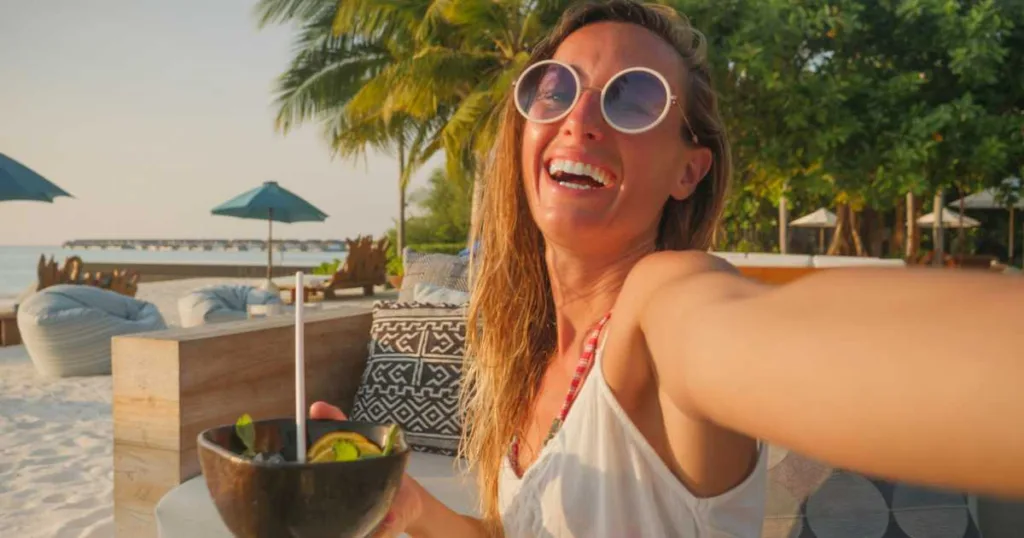
Image: Mystockimages, iStock
How social media posts can signal an empty home
Sharing as things happen can feel fun and natural, but some posts unintentionally whisper, “No one is home.” With a few simple social media safety tips, you can keep the memories and quiet the public signals.
- Real-time posts vs. delayed sharing: A story that says “Day One in Miami” or “Just landed” tells people you are away right now. When you post the same photos after you are home, they become memories instead of a live update about an empty house.
- Location tags, captions, and public profiles: Tagging hotels, airports, or famous spots, then adding captions like “gone for two weeks” on a public profile, can give strangers a rough timeline and location.
- How opportunistic crime works: Many burglars are simply watching for easy chances. A string of real-time vacation posts on a wide-open account is one of those chances, so small changes in vacation posting safety and travel social media safety really can help.
What research and real cases suggest
You've seen how everyday posts can hint that no one’s home. Now, let’s look at what research says about how often burglars pay attention to those signals.
Studies linking social media to burglary risk
Research shows that the risk is real, even if it seems small. In an NBC New York investigation, 500 convicted burglars in New York and New Jersey were surveyed, and more than 10% said they used social media to spot possible targets and choose the right time to break in. One burglar explained it in a very simple way: if someone posts that they will be away for seven days, that creates a seven-day opening. It’s not always planned in a clever way. Sometimes, it’s just an easy opportunity.
Real examples of how it plays out
In 2010, three developers built a website called Please Rob Me to show how risky public check-ins could be. It gathered public Foursquare posts and listed them as “recent empty homes.” No hacking, no secret access, just information people had already shared. The point was not to help burglars. It was to show how easily real-time posts can reveal that nobody is home.
Awareness matters more than fear
The risk isn't the same for everyone. A private account with 40 followers carries far less exposure than a public profile with thousands. The point isn't to stop posting, it's to understand what your settings and habits might be broadcasting and how oversharing on social media risks can creep in without you noticing.
Smarter ways to share without oversharing
You do not have to quit posting vacation photos. A few small tweaks to how and when you share can make a big difference. Think of these social media safety tips as quiet background settings that support vacation posting safety and burglary prevention without ruining the fun.
- Wait until you’re back home: Share your favorite photos after you return, so memories still show up, but your empty home does not.
- Adjust your privacy settings: Keep your profile private when you can, and check who actually follows you before your next trip.
- Be mindful of captions and details: Skip travel dates, return dates, hotel names, and exact locations in your posts and stories.
- Create signs of activity at home: Ask a neighbor to grab your mail, use light timers, or add a visible camera so your place looks lived in while you enjoy travel social media safety.
Practical takeaway
You don't have to go dark on social media every time you travel. The goal isn't silence, it's awareness. Posting a week after you're back still gets the likes, still tells the story, and doesn't hand anyone a live update on your empty living room. Small timing shifts, a review of privacy settings, and a neighbor with a spare key go a long way.
The bottom line on travel social media safety
Posting vacation photos in real time can invite burglars by quietly showing that your home is empty. That is the core issue. Live updates, geotags, and “day three of our trip” captions can turn normal sharing into a set of clues for the wrong person.
The fix is simple, not extreme: wait to post until you are home, review your privacy settings, skip detailed travel dates, and focus on posting vacation photos safely so your updates do not double as a notice that your home is empty.
Before your next getaway, take a minute to check your posting habits and home security tools, and use them together so every trip story you share stays a happy one.
FAQ
Yes, posting vacation photos in real time can be risky. It tells people you are not at home, especially if your profile is public. When you add location tags or trip dates, it becomes easier for someone to spot an empty house.
Yes, burglars can use social media to look for easy targets. Public profiles, travel posts, and tagged locations can all hint that a place is empty. If someone is watching for that kind of information, your updates can quietly help them.
The safest time to share vacation pictures is after you are back home. If you really want to post while traveling, keep your account private, share with people you trust, skip location tags, and avoid saying how long you will be gone.

Recent Articles
Best Smoke Detectors of 2026
We reviewed the top fire and smoke alarms for your home in 2026. Protect your...
The Best Alexa-Compatible Home Security Systems
Best for built-in integration ADT Voice control of ADT system Works with Alexa Guard View...
Vivint App: A Complete Guide to Features and Use
Tour the Vivint app and discover its features, navigation, and customization capabilities. Learn how to...

Dangerous Apps for Kids: What Parents Need to Know in 2026
Dangerous apps for kids include ones you’ve heard of (TikTok, Instagram) and some new arrivals....


 Your Privacy Choices
