Why Burglars Prefer Weekday Mornings and How to Protect Your Home

Why you can trust SafeWise
products considered
250+
research hours in 25+ in-home tests
10k+
years of combined experience
176+
homes and people protected
10M+

For over 13 years, SafeWise experts have conducted independent research and testing to write unbiased, human reviews (not robots). Learn more.

SafeWise Team
Jun 25, 2026
Icon Time To Read4 min read
Icon CheckEdited ByKit Smith

Most people picture burglars sneaking around after dark. In reality, the most common time for break-ins is often the middle of the workday.

Residential burglary data consistently shows that daytime hours are a higher-risk window for many households. Homes are more likely to be empty, neighborhoods are quieter, and normal daytime activity can even help intruders blend in.

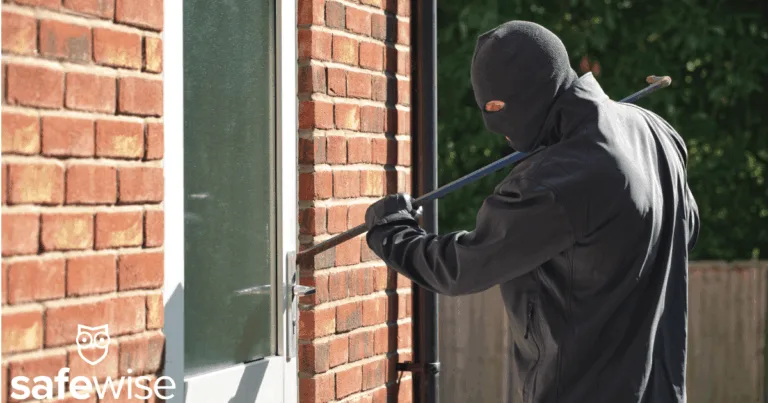
Burglar breaking into a home with a crowbar in daylight.

Image: SafeWise

What time of day do most burglaries happen?

Most residential burglaries occur between 10 a.m. and 3 p.m. on weekdays.

That's the opposite of what many people expect. When people ask, “When do most burglaries happen?” many expect the answer to be late at night or during vacation. But according to statistics, burglars frequently target homes on regular weekday mornings, when they're most likely to be empty.

Burglary statistics by time of day

  • Most residential burglaries happen between 10 a.m. and 3 p.m.
  • Homes are generally more likely to be burglarized during the day than at night.
  • Weekdays are a common target because adults are at work and children are in school.
  • Daytime activity helps burglars blend in with delivery drivers, contractors, and other visitors.
  • Late-night hours still see a spike in burglaries when residents are deeply asleep.

For many households, the biggest burglary risk isn't the middle of the night. It's the middle of the workday.

Are homes more likely to be broken into during the day or night?

It's surprising, but homes are generally more likely to be burglarized during the day. According to FBI burglary data, residential burglaries occur more frequently during daytime hours than at night.

Many people associate burglary with darkness. In reality, burglars are often looking for something much simpler: an empty house. Burglars look for signs: vehicles gone, mail or packages at the door.

That doesn't mean nighttime burglaries don't happen. They do. But many burglars prefer situations where they can enter and leave without encountering anyone. An empty home often presents a lower-risk opportunity than one with people inside at night, even if they’re asleep.

Why weekday mornings are the high-risk window

Weekday mornings create signals, ideal conditions, and opportunities.

Routine: Homes are emptiest during the workday

For many households, weekday mornings follow a predictable pattern. Adults leave for work. Kids head to school. The house and driveway sit empty for several hours. Mail or packages arrive and might start piling up, creating another signal that no one’s home.

Fewer people are paying attention

Many people assume more daylight means more witnesses. In practice, weekday late mornings can be surprisingly quiet. Many neighbors are also at work, and those at home are often busy with their own routines. Fewer people are paying attention to what is happening around nearby homes.

Daytime activity looks less suspicious

Blending in is easier during the day.

A stranger approaching a front door at midnight? Everyone finds that suspicious.

A stranger approaching a front door at 11 a.m.? They could have every right to be there. A contractor, delivery driver, landscaper, utility worker, or visitor.

That ability to blend into normal daytime activity is one reason burglary statistics by time of day often skew toward daytime hours.

What this means for your home security setup

Many people focus their home security efforts on nighttime protection. The data suggests daytime coverage deserves just as much attention.

Schedule lights and smart devices to mimic daily routines

Smart lighting can help create signs of occupancy even when you're away, and you have more options beyond lights.

Schedule lamps, televisions, or smart speakers to turn on at different points throughout the workday. A living room lamp at noon, a television playing briefly in the afternoon, or music turning on for an hour can help make a home feel occupied rather than empty.

If you use smart blinds or curtains, consider automating those as well. Curtains that open in the morning and close against the glare of noon or sunset mimic the natural routines of an occupied home during the day.

Your home doesn’t have to look busy and crowded like Kevin’s setup for his house in Home Alone. Small, realistic signs of activity can make occupancy patterns less predictable and help discourage opportunistic burglars.

Prioritize cameras during work hours

Smart doorbells and security cameras are especially valuable during periods when you're consistently away from home.

Motion alerts can help you monitor activity around entry points and respond quickly if something unusual occurs. From porch pirates to door-to-door scammers, plenty of unusual activity happens in broad daylight. This is where cameras shine. They also provide recorded footage that may help law enforcement after an incident.

Use smart locks to track activity

Smart locks offer more than convenience.

Many models provide activity logs and notifications that show when doors are locked, unlocked, or accessed. That visibility can be useful when you're away at work or traveling.

Visible security systems can help deter burglars

Security systems create another layer of protection during daytime hours.

Cameras, video doorbells, yard signs, and other visible security features signal that a property may be more difficult to target. Burglars are opportunistic and will often look for the path of least resistance.

Dogs remain a meaningful deterrent

A barking dog introduces uncertainty.

Even if a burglar cannot see the dog, the possibility of attracting attention from neighbors or creating noise inside the home can make a property less appealing.

How can I protect my home while I'm at work?

A few simple habits can greatly improve your home security when at work.

Make your routine less predictable

Most people have consistent schedules, which is perfectly normal. When possible, small variations in departure times, lighting schedules, or visible activity can make occupancy patterns harder to read.

Connect with trusted neighbors

Good neighbors remain one of the most effective security resources. A neighbor who can collect packages, park in your driveway, keep an eye out for unfamiliar vehicles, or notice unusual activity around your property can provide an extra layer of awareness.

People are more likely to notice unusual activity when they know who belongs on the block. Even casual relationships with neighbors can increase the chances that suspicious activity gets noticed and reported.

Remove obvious signs of absence

Mail, packages, and deliveries can quickly signal that no one is home. During extended absences, consider pausing mail service, rerouting packages, or asking someone you trust to collect deliveries.

Practical takeaway

Knowing when most burglaries happen changes how you approach home security. Most people think about burglaries after dark. The data suggests you should think about them before lunch. It's the middle of the workday, homes are empty, neighbors are busy, and unfamiliar faces don't immediately stand out.

Daytime burglary prevention often comes down to a combination of visible security measures, realistic occupancy signals, active monitoring, and neighborhood awareness. Smart lighting, cameras, security systems, and trusted neighbors can all help make your home look occupied, observed, and more trouble than it's worth.

The goal isn't to make your home impenetrable. It's to understand the vulnerabilities in daytime routines and make a few targeted adjustments that make your home a less attractive target.

When your security setup reflects the real risk window, you're in a stronger position to protect your home while you're away.


SafeWise Team
Written by
The SafeWise Team is here to help you keep your home and family safe. Whether you’re looking to pick a security system or identify and remove common risks in your home, we’re here to help you find the best products and well-researched answers. At SafeWise we combine our years of experience in home safety and security with user reviews and feedback to help take the guesswork out of living safe.

Recent Articles

dangerous apps for kids
Dangerous Apps for Kids: What Parents Need to Know in 2026
Dangerous apps for kids include ones you’ve heard of (TikTok, Instagram) and some new arrivals....
Map showing location pins for the city in each state with the highest burglary rate.
The Most Burglarized City in Every State
We found the most-burglarized city in every state — it looks like burglars are equal...
Ring Alarm security system unboxed.
Ring Security vs. Frontpoint
Frontpoint is our pick in this DIY security system matchup. Its starter package is more...
Technician installing a smoke alarm
Best Smoke Detectors of 2026
We reviewed the top fire and smoke alarms for your home in 2026. Protect your...