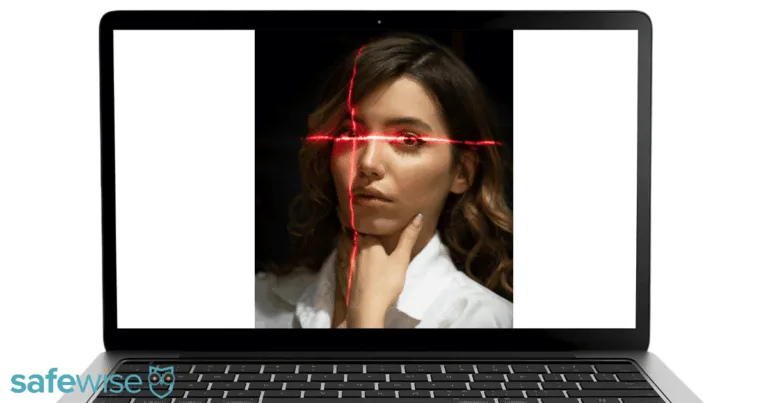
“It’s really easy to use online generative capabilities,” says Dr. Musheer Ahmed, Founder & CEO at Codoxo. His firm uses AI to detect fraud and waste in healthcare.
“Today, there are very strong image-making capabilities where anyone can upload a picture of themselves and make it do this or that and put on a different suit or dress to make you look more professional.”
The deceptions are so realistic that deepfakes are being used by criminals and rogue governments, according to George Gerchow, IANS Faculty & Chief Security Officer at Bedrock Data.
He should know. Gerchow oversaw an investigation at MongoDB, a multi-cloud database provider, into suspicious activity linked to communications with a North Korean IP address. A remote worker had used fake information and imagery to slip through the company’s screening process.
“Anyone with a laptop can now do what only well-resourced threat actors could do two years ago,” reports Gerchow. “The operational version is already in the market.”
Fergal Glynn, Chief Marketing Officer at AI security firm Mindgard, agrees.
“Scammers are using AI to make realistic-looking doctors with their lab coats and credentials in a professional setting, within minutes, at almost no cost,” reports Glynn.
“They add fake testimonials to supplements or unproven treatments to target vulnerable people who are looking for health answers online. Since the ‘doctor’ doesn’t exist, there is nobody to hold accountable if anything goes wrong.”
Where we're getting health information
A recent Pew Research Center survey found that 85 percent of Americans get health information from healthcare providers all or some of the time. The same study found that provider information was considered highly accurate. All that underlines the trust we place in medical practitioners.
However, Pew research also found that nearly 60 percent of Americans consult social media and chatbots for health information at least part of the time. The numbers break down like this: 36 percent consult social media, and 22 percent ask a chatbot.
The impact of deepfakes on patient medical decisions
“The foundation of healthcare is trust,” says Glynn. “Patients share sensitive information and make life decisions based on professional guidance. Real patients may get delayed treatment, sometimes with serious consequences, when fake doctors flood social media with bogus cures.
“The real issue is even when a deepfake is debunked, the information still keeps circulating. The medical community is trying to improve AI literacy and platform accountability, but public trust is eroding faster than the solutions can appear.”
A study earlier this year by TrendLife underscores Glynn’s point. Surveying over 10,000 people across nine countries, the cybersecurity firm found that few people think they can identify a deepfake.
“Only 22% of respondents feel confident they can spot a deepfake or AI scam, while nearly half report little or no confidence in their ability to do so,” TrendLife reports. “Voice cloning, hyper-realistic deepfakes, and flawless phishing messages have rendered traditional warning signs obsolete.”
Legal action is moving slowly on deepfake doctors
Fraudsters have been impersonating doctors as long as there have been doctors. In a bygone era, they traveled from town to town selling fake cures for anything and everything. The key to their success was moving quickly, before the long arm of the law could reach them.
Today’s fake doctors move in the digital world, where the long arm of the law has been slow to grasp the problem.
The first action against a fake doctor online came earlier this year, when Pennsylvania filed a lawsuit alleging that the tech company Character.AI allowed a chatbot to impersonate a doctor.
The state reports that an investigator “posing as a patient was told by an AI chatbot that it was licensed to practice medicine in Pennsylvania and the UK and provided a fake Pennsylvania medical license number.”
The damage may never be undone
The internet is a limitless caldron of images and information - both fake and real. Once something enters that caldron, it never leaves, according to Gerchow.
“The real defense (for doctors) is rapid response plus proactive provenance: monitoring, a takedown playbook, and signed metadata on your authenticated content, so when a fake appears, you can prove your real one.
“Trying to erase a deepfake after the fact is fighting yesterday's battle. Owning your own provenance is fighting tomorrow's.”
The Pennsylvania case is a rarity. The rising number of medical deepfakes and scattered prosecutions led the AMA to call for state and federal action to safeguard doctors and patients.
Most state and federal laws regulating deepfake images focus on explicit and electoral images.
“We need strong action by federal and state lawmakers to protect physicians’ identities, ensure transparency, and stop this fraud. Safeguarding professional integrity is essential to preserving trust and delivering high-quality care in a rapidly evolving digital landscape,” Dr. Whyte said in a prepared statement.
“The rules and regulations haven’t caught up yet,” noted Glynn. “The FDA has authority to act if there are any false health claims, but deepfakes sit in a grey area without any dedicated federal legislation.”
Even if new laws are passed and enforcement is beefed up, the damage of deepfake doctors will linger.
“When someone seems to advocate or ask for something substantial,” notes Marty Hitzeman, Director of Marketing at Empist, “you must verify through a different independent process before proceeding. It is more important to get the original source than only what has been presented.”
Five ways to spot false medical claims
It may be difficult to spot a deepfake doctor, but the Federal Trade Commission offers five ways to fact-check their claims and recommendations.
- Do some research. Add the words “scam”, “review”, or “complaint” to an online search for the name of the treatment.
- Ask your doctor first. You might ask about the treatment's effectiveness, its ingredients, whether it’s safe to take (including with your other medications), and how much to take.
- Know that unproven products and treatments are risky. They can interact badly with other treatments. It’s also risky to stop or delay taking proven medical treatments, or to delay making other important changes to help your condition — like changes to your diet or lifestyle.
- Know that “natural” doesn’t mean safe or effective. In fact, “natural” can mean harmful and ineffective. And some “natural” products might interfere with proven treatments recommended by your doctor.
- Know that no government agency approves ads before they go public. Federal law says sellers who market cures must have scientific evidence to back up their claims, but dishonest companies might not. Ads must be truthful — not misleading.



 6 min read
 Edited By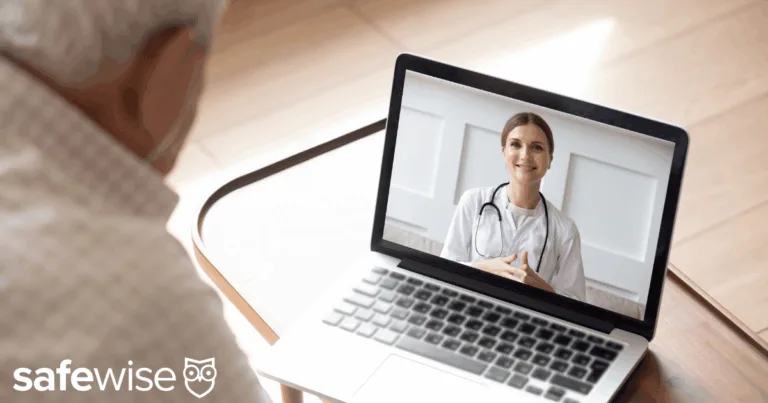



 Your Privacy Choices
