

Gone are the days of long, obtrusive wires running across floorboards or walls. Many of today’s security cameras are wireless, using Wi-Fi to communicate with a control panel or connected smart device. Wireless security cameras are easier to install, and they give you greater flexibility for placement.
How Do Wireless Security Cameras Work?
Why you can trust SafeWise
products considered
250+
research hours in 25+ in-home tests
10k+
years of combined experience
176+
homes and people protected
10M+
For over 13 years, SafeWise experts have conducted independent research and testing to write unbiased, human reviews (not robots). Learn more.

 2 min read
Protect your property
Sign up for our weekly newsletter to get the latest deals, home security tips, and in-depth reviews.
By signing up, you agree to our Terms and Conditions and Privacy Policy.
How do wireless cameras work?
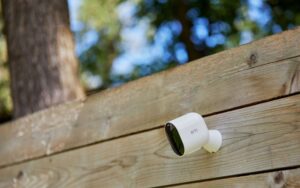
Wireless outdoor security camera
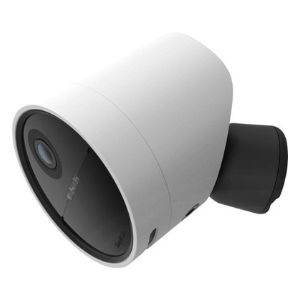


Info current as of post date. Offers and availability may vary by location and are subject to change.
How wireless cameras work
Subscribe to our YouTube channel and learn how to protect your home, loved ones, and belongings.
Wired vs. wireless home security cameras
When security cameras first hit the market, they required a wired electrical source to work. Some multi-camera setups still work this way. These wired cameras rely on video cables to transmit video signals to a viewing device, like a computer monitoring or television.
With a wireless security camera, the video signal—and, with some, the audio signal as well—transmits over the internet or other wireless network to a receiver that connects to your viewing and recording device. Many people use computers or cloud storage accounts to save the video footage for later viewing.
Learn more about wired vs. wireless home security cameras.
Wireless security camera benefits
As mentioned above, wireless security cameras are easier to install than the wired alternative. Many wired cameras connect to your home’s electrical system, so you’ll need to hire a professional for the installation. Wireless cameras rely on Wi-Fi or other networks. Follow the instructions, and you can set up and connect most cameras in less than 15 minutes.
Wireless security cameras are often more ideal for renters, people new to home security, or those on a budget. Not only are wireless security cameras less expensive than wired systems, but they’re easier to move and transport. Just unplug them, and you’re ready to go!
Wireless security camera limitations
It’s important to note that there are limitations to a wireless security camera’s capabilities:
Battery power
If the camera is completely wireless, it needs a battery for power. In this kind of arrangement, you need to replace or recharge the battery before it dies. Solar cameras also use a solar panel to charge the batteries during the day.
Distance from router or hub
Don't place a wireless camera too far away from the main hub or wireless router. If there’s a direct line of sight, a wireless camera’s range may reach up to 500 feet or more. Within a house, the range is usually lower—around 150 feet—though not always.
The signal range depends on a few factors, including your home’s building materials, other wireless devices in the area, and any walls or objects through which the signal has to pass.
Standard drywall and glass windows may not impact the strength of the camera’s wireless signal, but brick and concrete will. If there are brick walls, concrete floors, and large trees in between the camera and receiver, your signal strength will likely weaken.
Final word
Wireless security cameras are a great addition to your home security system, as they offer you 24/7 viewing access to your home, no matter where in the world you are.
Now, explore the best home security cameras on the market and see which ones can integrate with your home security system.
Compare the best home security systems



Recent Articles

Jury Finds Meta and YouTube Negligent in Landmark Social Media Addiction Case
Meta and YouTube were found negligent in a landmark addiction case. Here’s why it matters...

How Safe Are the Fastest-Growing U.S. Cities?
Does a surge in population lead to a surge in crime? Find out in our...
Package Theft and Cybercrime Are Now the Most Common Crimes in America
State of Safety data shows Americans are more likely to experience package theft and cybercrime...

Alternatives to ADT Home Security Systems (2026)
Not sure ADT is right for you? Discover the best home security systems with flexible...


