

As winter storms and natural disasters continue to capture our attention, there's another invisible danger to be concerned about—Radon. January has been designated as National Radon Action Month by the Environmental Protection Agency (EPA), shedding light on this silent but deadly threat. If you're like many people who have heard of radon but don't know much about it, you're not alone. This article will provide a crash course on radon and valuable resources to ensure your home remains safe.
How To Protect Your Home From Radon
Why you can trust SafeWise
products considered
250+
research hours in 25+ in-home tests
10k+
years of combined experience
176+
homes and people protected
10M+
For over 13 years, SafeWise experts have conducted independent research and testing to write unbiased, human reviews (not robots). Learn more.

 2 min read
Need to Know from SafeWise
- January is Radon Action Month.
- Radon is the leading cause of lung cancer in non-smokers.
- Testing is the only way to detect radon levels.

Stay Safe and become a SafeWise Insider!
Sign up for our free weekly newsletter to get the best safety news, product info, and deals.
By signing up, you agree to our Terms and Conditions and Privacy Policy.
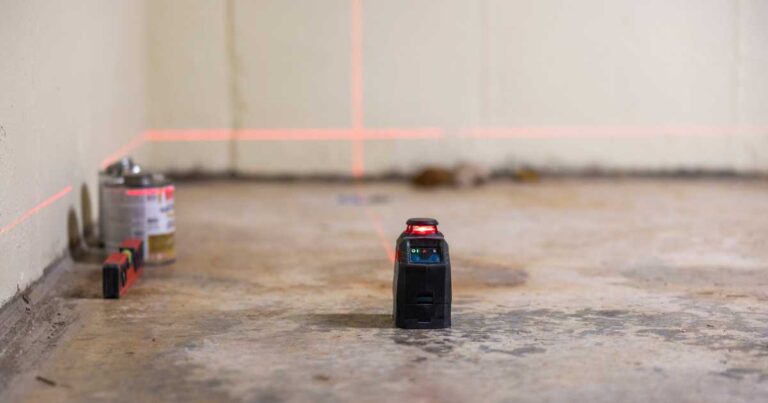
Image: Alex Potemkin, iStock
What is radon?
Radon is a naturally occurring radioactive gas that is a byproduct of uranium. Unlike some other hazardous gases, radon is undetectable by our senses; you can't see, smell, or taste it. It is present in both the air we breathe and the groundwater beneath our homes.
Why is radon dangerous?
Radon poses a grave threat to our health—it's the primary cause of lung cancer among non-smokers, responsible for approximately 21,000 American deaths every year. Long-term exposure to elevated radon levels can have devastating health consequences, making it a critical concern for homeowners.
Does my home have high radon levels?
Testing is the only way to determine if your home has elevated radon levels. Fortunately, it's usually easy and affordable to test for radon. You can purchase a radon testing kit or detector to use in your home. These kits are readily available and straightforward to use, offering a simple and effective way to safeguard your family.
What do I do if I detect dangerous levels of radon in my home?
If your radon test reveals high gas levels, taking immediate action is crucial to protect your family's health. Contact a qualified contractor experienced in radon mitigation. They will assess your home, seal any foundation cracks that allow radon to enter, and install a ventilation system to improve air circulation, effectively reducing Radon levels.

Get help with radon mitigation
Have a specific question about radon in your home or area? You can find a radon professional in your state.
- Check out this map to find the organization in your state.
- Search in your area through the National Radon Proficiency Program (NRPP) database.
- Local contractors and see user reviews are also available on Thumbtack.
How much does radon mitigation cost?
While the cost of radon mitigation can vary depending on the specific circumstances of each home, the average expense typically falls around $500. This investment in your family's health is well worth it when you consider the life-threatening risks associated with Radon exposure.
Although Radon testing may not have been on your list of priorities for January, it's an important safety measure that shouldn't be overlooked. Protect your loved ones by testing your home for radon and, if necessary, investing in mitigation measures. And radon isn't the only invisible danger lurking in our homes. To stay safe, healthy, and happy this year, consider exploring additional resources such as gas leak detectors and carbon monoxide detectors.
Don't let this silent threat go unnoticed. Prioritize radon testing and ensure your home remains a safe haven for you and your family.
Related articles on SafeWise


Recent Articles

Jury Finds Meta and YouTube Negligent in Landmark Social Media Addiction Case
Meta and YouTube were found negligent in a landmark addiction case. Here’s why it matters...

How Safe Are the Fastest-Growing U.S. Cities?
Does a surge in population lead to a surge in crime? Find out in our...
Package Theft and Cybercrime Are Now the Most Common Crimes in America
State of Safety data shows Americans are more likely to experience package theft and cybercrime...
Alternatives to ADT Home Security Systems (2026)
Not sure ADT is right for you? Discover the best home security systems with flexible...


