

What Additional Fees or Charges Will I Need to Keep in Mind with Security Systems?

Why you can trust SafeWise
products considered
250+
research hours in 25+ in-home tests
10k+
years of combined experience
176+
homes and people protected
10M+

For over 13 years, SafeWise experts have conducted independent research and testing to write unbiased, human reviews (not robots). Learn more.

Cathy Habas
Jan 06, 2025
Icon Time To Read4 min read
Icon CheckReviewed ByRebecca Edwards

Cathy, a Safe Sleep Ambassador, specializes in family safety, simplifying complex topics for trusted sites like Safety.com with 8+ years of writing experience.

When considering home security systems, you may find yourself asking a common question: how much is it going to cost me? Unfortunately, there isn’t one set fee that all companies abide by.

Home security costs can range from a few hundred to a few thousand dollars after you account for all of the equipment, installation, and monitoring fees. That’s a pretty substantial range, meaning you should be able to find a system at a price point that works for you.

When setting your budget and looking for systems within your price range, consider these common (and not-so-common) home security costs you may encounter.



Protect your property
Sign up for our weekly newsletter to get the latest deals, home security tips, and in-depth reviews.

By signing up, you agree to our Terms and Conditions and Privacy Policy.

Common expenses in a home security system

In most cases, you'll pay for monitoring and equipment for your system. Security companies will charge up front fees or combine them into a monthly price as part of a financing plan.

Monthly monitoring fee

You’ll have to pay a monthly charge for 24/7 professional monitoring by a monitoring center, in addition to the standard one-time costs. This monthly fee varies depending on the level of service and the number of equipment pieces you have connected.

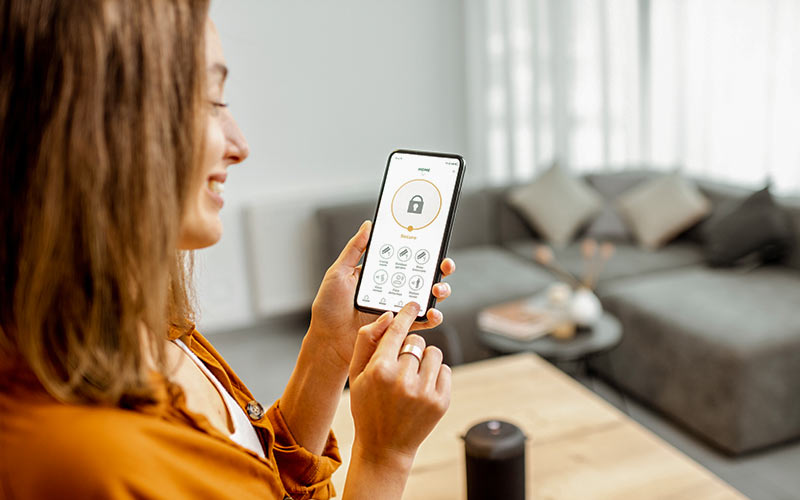
For example, if you have only a few door and window sensors, an alarm system may cost as little as $5 per month. But you’ll likely pay more for a security camera, mobile app, and smart home features.

In general, a DIY security system has a lower monthly cost and doesn't require a long-term contract. You can also skip the monthly monitoring fee if you're willing to self-monitor the system.

Home security hub

Whether you choose a wired or wireless security system, it needs a central control station where you can set and disarm your alarm.

A hub usually comes for free or at a discount in standard equipment packages, along with various detectors and sensors, but you’ll still want to check out the price in the plan breakdown.

Add-on equipment

Most home security companies offer advanced security tools that work with the control station, including security cameras, smoke and carbon monoxide detectors, and motion sensors. A few of these devices may be included in the plan you choose, but if you want more advanced security, you should budget for some extra items.

While adding a small motion sensor may not come with significant additional fees, adding cameras or smart devices can add a substantial amount to your total security equipment cost.

Uncommon expenses in a home security system

As security systems increasingly move toward a DIY installation model, installation and activation fees are going the way of the dinosaurs—at least with national companies. But you're still likely to encounter these fees with a local alarm company and some of the professionally-installed national brands.

Installation fee

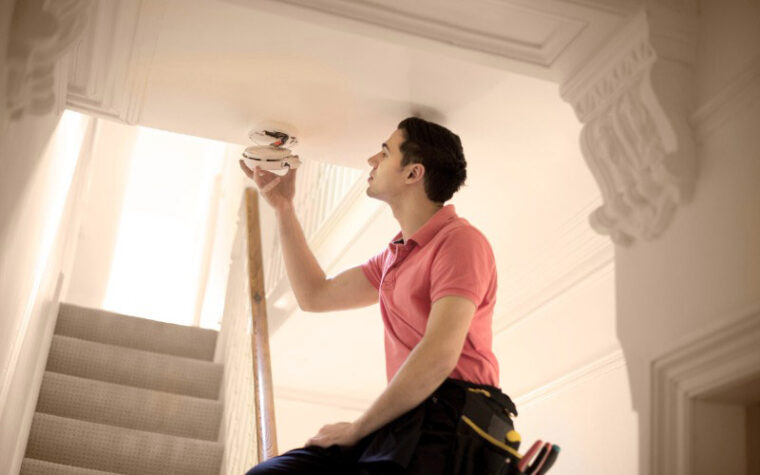
Depending on the type of home security system and additional technology you choose, you may need to pay for a professional to install your system. Currently, Vivint and ADT are the only major brands that require installation fees, though some DIY brands offer optional installation services.

These home security companies offer professional installation for flat rate—often around $200—when you purchase a system. To reduce or eliminate the installation cost, you can install a DIY home security system yourself or hire a third-party professional installer who charges a lower hourly rate.

Activation fee

Don’t let an activation fee catch you by surprise. This fee is usually separate from an installation fee or the cost of the home security system. Often found in the fine print, an activation fee is a one-time charge you pay up front to activate your home alarm system.

This fee generally ranges anywhere from $25 to $100. Before signing a contract, confirm with the home security company whether there’s an activation fee, how much it will add to your bill, and if it’s negotiable. Most national security companies don't charge activation fees anymore.

Service fee

Professionally installed security systems aren't designed for homeowners to troubleshoot themselves. If your security system stops working, you're expected to call the company. They'll send out a technician at your expense. Vivint's service calls cost $49 and ADT's can top $100.

Hopefully, the issue is easy to fix or is covered by the brand's equipment warranty so you don't get hit with additional charges.

Transfer fee

Let's say you sell your home and leave behind a perfectly good hardwired security system. The home buyers want to keep the system up and running, so you need to transfer the account to them. 

Easy? Sure. Free? Not always. Vivint, for example, charges a $99 transfer fee.

Moving fee

DIY security systems don't charge moving fees. In fact, some supply free moving kits to help you re-install devices in your new home. Talk about service.

But it's just not that straightforward with a hardwired system. You'll need one technician to remove the system in your old home and another to re-install it. Those service calls cost money. Some security companies skip the removal process and expect you to just buy a new control panel.

Expect to pay around $150 in security system moving fees—or more if you have a lot of hardwired equipment to deal with.

Cancellation fee

You're never penalized above and beyond your initial contract terms just for canceling a security system. But you do have to fork over most of what you owe on the remaining contract. Be aware of this possibility before signing a security contract. Read our guide to cancellation policies and fees to learn what to expect from popular security brands.

Video: Must-Ask Questions for Home Security Contracts

Play Video

Subscribe to our YouTube channel and learn how to protect your home, loved ones, and belongings.


Final word

It’s easy to feel overwhelmed by all these security system fees, but some may be negotiable or included in a home security company’s special offer. If you’re ready to explore your home security system options, check out our guide to choosing a home security system.


Compare the best home security systems

Brand
Self-monitoring option
Monthly cost Icon Tooltip  Dark
Starter equipment price
Break-in deterrent(s) Icon Tooltip  Dark
Smart home compatibility Icon Tooltip  Dark
Learn more
Icon Yes  LightYes
$250.96AI detection, Live agent intervention, Siren, Cameras with two-way talkAmazon,
Google
Icon No  LightNo
$199.00Smart Deter lurker detection, Lights, Sounds, Motion-sensor floodlight camera with two-way talk Amazon,
Google,
Z-Wave
Icon No  LightNo
$0.00Smart AI detection, Live agent intervention, Motion-sensor floodlight camera with two-way talkGoogle,
Z-Wave
Icon No  LightNo
$300Motion-sensor floodlight camera with two-way talkAmazon, Google
Icon Yes  LightYes
$65.00AI-powered alerts, Cameras with two-way talkAmazon, Google, Apple, Z-Wave, Zigbee
Icon No  LightNo
$386.93*AI-powered alerts, Lights, Siren, Cameras with two-way talkAmazon, Google, Z-Wave
Icon Yes  LightYes
$199.99Live agent intervention, Lights, Siren, Motion-sensor floodlight cameras with two-way talkAmazon, Z-Wave

Amazon.com price as of post date. *Frontpoint's starter equipment package, valued at $386.93, starts at $69 with an optional contract. Offers and availability may vary by location and are subject to change. Read full disclaimer. *ADT $28.99 for landline system only. Full ADT disclaimer

Cathy Habas
Written by
With over 12 years of experience as a content writer, Cathy has a knack for untangling complex information. Her natural curiosity and ability to empathize help Cathy offer insightful, friendly advice. She believes in empowering readers who may not feel confident about a purchase, project, or topic. Cathy earned her Bachelor of Arts degree in English from Indiana University Southeast and began her professional writing career immediately after graduation. She has focused on family safety, home guides, and health content since 2021 and earned a gerontology certificate to learn more about the medical side of senior safety. Over the years, Cathy has contributed to sites like SELF.com, SingleCare, My Health Teams, Safety.com, Reviews.com, Hunker, Popular Living, and Thumbtack.

Recent Articles

elderly-woman-checking-watch-on-bench
4 Best GPS Trackers for Dementia Patients (2026 Review)
GPS tracking can help caregivers watch loved ones with dementia and prevent wandering. We reviewed...
dark brick porch with light from decorative porch light
A Guide to Porch Light Safety: Leave It On or Turn It Off?
What does leaving the porch light on mean? And when should you turn it off?...
older couple sitting on couch with computer
The Ultimate Guide to Aging Well at Home
Cathy has been researching and writing about safe aging since 2021. She holds a certificate...
SW_Article_Medical Alerts with the Best Battery_Featured image with logo
Best Medical Alert Systems 2026
We researched the best medical alert systems of 2026 to find reliable options that can...